

Anti-theft crossbody bags: the security features that actually matter in 2026
Most anti-theft crossbody bags are marketing gimmicks wrapped around basic security theater. RFID-blocking pockets for cards that already have chip protection. Slash-resistant fabric that costs $30 extra but won't stop anyone with scissors. Hidden zippers placed exactly where every pickpocket expects them.
The real question isn't whether these bags work — it's whether you need them at all. After looking at dozens of so-called security bags, the features that actually prevent theft are surprisingly simple. And most of them have nothing to do with the expensive add-ons brands love to sell.
Shop the look: PONT-DES-ARTS - XS / Bleu Gris

What makes an anti-theft crossbody bag worth it
An anti-theft crossbody bag combines basic security features with everyday functionality. The "anti-theft" part usually means RFID blocking, slash-resistant materials, locking zippers, or hidden compartments. The crossbody design keeps the bag close to your body and harder to grab.
But here's what the marketing doesn't tell you: the most effective anti-theft feature is simply wearing your bag in front of your body in crowded areas. A regular crossbody bag worn properly beats an expensive "security" bag worn carelessly.
For a broader overview, see Senreve alternative: why I switched to this Parisian brand instead.
The markup on specialty anti-theft bags is enormous. Brands charge 12 times what these bags cost to make, adding $50-100 for features like RFID blocking that costs manufacturers about $2. You're paying for peace of mind, not proportional protection.
Real security comes from smart design choices. Multiple interior pockets that keep valuables organized and out of sight. A structured base that doesn't sag open. Zippers that close completely and sit flush against the bag. These features matter more than any proprietary "theft-proof" technology.
The security features that actually work
RFID blocking sounds impressive until you realize most modern cards already have built-in protection. The electromagnetic interference that allows contactless payments is incredibly short-range. Someone would need to be pressed against you with a specialized reader to steal card data — and at that point, they could just pickpocket your wallet normally.
Slash-resistant fabric works against opportunistic cuts but fails against determined thieves. The reinforced materials add weight and stiffness without meaningful security gains. A thief targeting your bag won't slash randomly — they'll go for the straps, zippers, or opening mechanisms that can't be reinforced.
Locking zippers provide real value, but only if they're easy for you to operate. Complicated locking mechanisms that require two hands defeat the purpose of a crossbody bag. The best security features are invisible to thieves but intuitive for daily use.
Hidden pockets work when they're actually hidden. Most "secret" compartments are obvious to anyone who knows what to look for. The back panel pocket that every brand advertises? Pickpockets check there first. True security comes from interior organization that keeps valuables buried deep inside the main compartment.

How to choose an anti-theft crossbody bag that works
Start with the basics: does the bag close completely? Magnetic closures and toggle buttons look stylish but offer zero security. A full zipper closure is non-negotiable for any bag you're buying for protection.
Test the strap attachment points. These are the most common failure points on crossbody bags. The hardware should be metal, not plastic, and attached through multiple layers of material. If you can see where the strap connects with a single rivet or lightweight clasp, keep looking.
Consider your actual risk level. If you're commuting in major cities or traveling internationally, security features make sense. For suburban daily life, you're probably overthinking it. The most secure bag is one you'll actually use consistently.
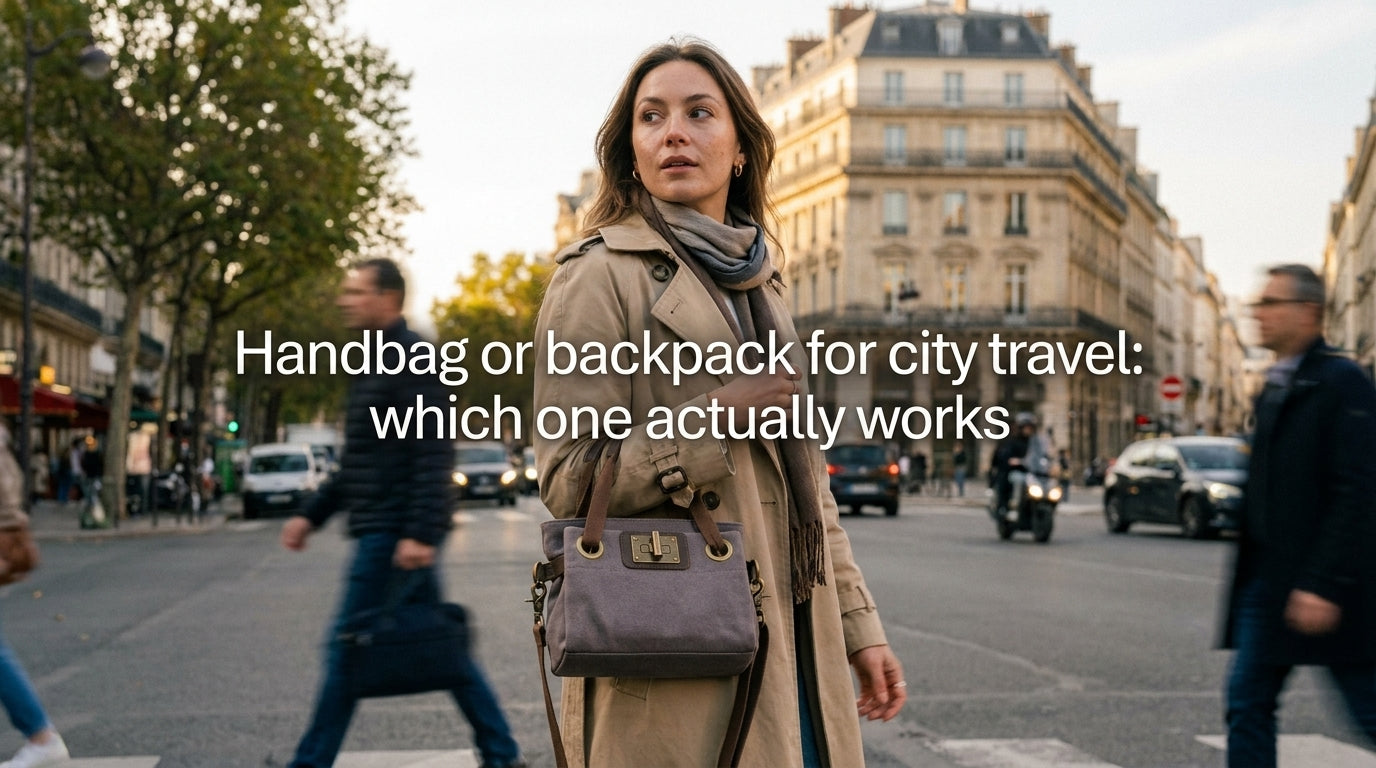
Look for bags with multiple carrying options. The PONT-DES-ARTS from ZEDE works as a crossbody, shoulder bag, or handheld — giving you flexibility to adapt to different situations. When you can switch between carrying styles, you're less predictable to potential thieves.
Interior organization matters more than exterior security features. Five interior pockets, including two with zippers, mean your phone, keys, and cards aren't rattling around loose. The large rear pocket with magnetic closure gives quick access to frequently needed items while keeping them secure.
The water-repellent washed cotton canvas and split leather construction offers durability without the premium markup of luxury brands. At $109-129, you get practical security through smart design rather than expensive gimmicks.
Common mistakes when buying anti-theft bags
The biggest mistake is buying something that looks secure but isn't functional inside. Most high-end security bags give you a pretty exterior with expensive anti-theft features, but when you open them up, there's just one big empty space. No pockets, no organization, no way to keep your belongings from becoming a jumbled mess.
People also overestimate how much security they actually need. Unless you're carrying large amounts of cash or traveling in high-risk areas, basic precautions work better than specialized gear. Situational awareness beats any security feature.
Another common error is choosing bags that are obviously "tactical" or security-focused. These actually attract attention rather than deflecting it. The best anti-theft bag looks like a regular, well-made crossbody that happens to have smart security features built in.
Many buyers focus on exotic materials and ignore comfort. Slash-resistant fabric might stop a knife, but if the bag is uncomfortable to wear all day, you'll end up carrying it in your hand — defeating the entire purpose of crossbody security.
Finally, people buy bags that only work for one occasion. If you can only wear it when traveling or in specific situations, that's not a good investment. The best anti-theft crossbody bag is one you reach for every single day because it's genuinely useful.

When anti-theft features are worth the investment
Anti-theft crossbody bags make sense for frequent travelers, urban commuters, and anyone who regularly carries expensive electronics or important documents. The peace of mind can be worth the premium if you're genuinely at higher risk.
They're also valuable for people who tend to be absent-minded about bag security. If you're someone who sets your bag down in restaurants or hangs it on chair backs, built-in security features provide a safety net for moments of inattention.
For most daily use, however, a well-designed regular crossbody bag offers sufficient security at a better price point. The PONT-DES-ARTS combines practical security through thoughtful design with everyday versatility. Available in Bordeaux, Noir, Camel, and twelve other colors, it works for professional settings, casual outings, and travel.
The adjustable canvas shoulder strap lets you position the bag exactly where you want it — high and tight for crowded areas, or relaxed for comfortable all-day wear. This adaptability is more valuable than any single anti-theft feature.
Consider your lifestyle honestly. If you're buying an anti-theft bag to feel safer but won't change your actual behavior, you might be better served by a high-quality regular bag and improved situational awareness.
The real cost of security theater
Most anti-theft features are security theater — they make you feel safer without meaningfully improving your actual security. RFID blocking for cards that already have protection. Cut-resistant straps that can be bypassed by targeting the buckles. Hidden pockets in locations every pickpocket knows about.
The premium you pay for these features rarely matches their effectiveness. A $200 anti-theft bag with specialized materials often provides less real security than a $120 well-designed regular bag worn properly.
True security comes from boring fundamentals: zippers that close completely, straps attached securely, interior organization that keeps valuables out of sight, and materials that hold up to daily use. These features don't sound exciting in marketing copy, but they work.
The most secure approach is combining a well-made bag with smart carrying habits. Keep the bag in front of your body in crowds. Don't set it down in public spaces. Stay aware of your surroundings. These behaviors cost nothing and provide better protection than any product feature.
Frequently Asked Questions
Do RFID-blocking crossbody bags actually prevent card theft?
RFID blocking provides minimal real-world protection since most modern cards already have built-in security. The electromagnetic range for contactless payments is so short that thieves would need to be pressed against you with specialized equipment — at which point they could just pickpocket normally.
Are slash-resistant materials worth the extra cost?
Slash-resistant fabric works against random cuts but adds weight and stiffness without meaningful security gains. Determined thieves target straps, zippers, and opening mechanisms that can't be reinforced anyway. The extra cost rarely justifies the minimal protection gained.
What's the most effective anti-theft feature in a crossbody bag?
Complete zipper closure and secure strap attachment points provide the most real security. Multiple interior pockets that keep valuables organized and out of sight are more effective than any specialized anti-theft technology.
How much should I spend on an anti-theft crossbody bag?
For most people, $100-150 gets you excellent security through smart design rather than expensive gimmicks. Brands charging $200+ for anti-theft features often have markups of 12 times manufacturing cost without proportional security improvements.
Can a regular crossbody bag be just as secure as an anti-theft model?
Yes, when worn properly and designed well. A regular crossbody with full zipper closure, secure straps, and good interior organization often provides better practical security than expensive anti-theft bags with complicated features that are hard to use daily.