
Handbag or backpack for city travel: which one actually works
The choice between a handbag or backpack for city travel comes down to one core tradeoff: hands-free mobility versus quick access. Backpacks distribute weight evenly and free your hands for maps, metro turnstiles, and coffee — but they put your belongings behind you where pickpockets thrive. Handbags give you instant access to essentials and better security awareness, but they create shoulder fatigue after hours of walking cobblestone streets.
After looking at dozens of city travel setups, the verdict is clear: for most urban exploration, a structured crossbody bag wins. It offers the security advantages of a handbag with enough weight distribution to handle a full day of walking. The key is choosing one designed for actual travel, not just looking good at brunch.
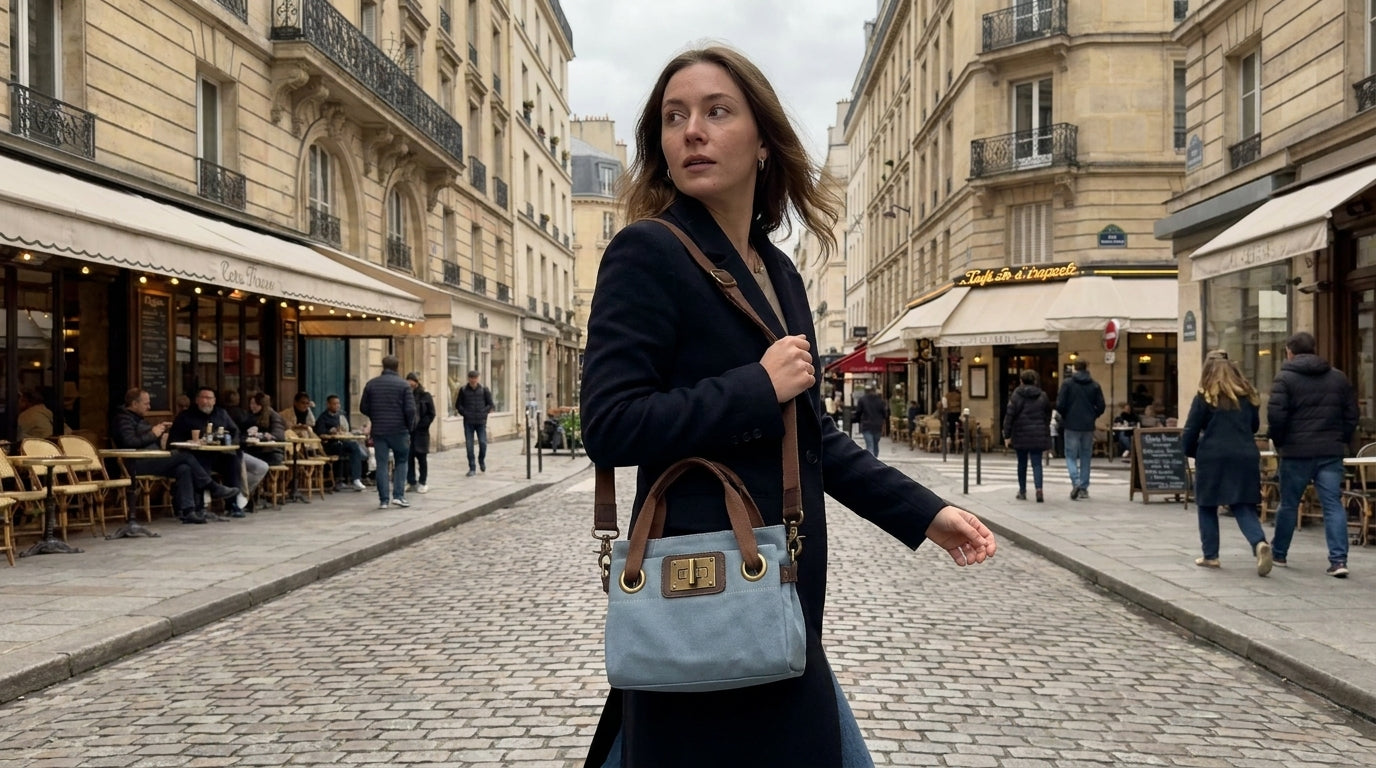
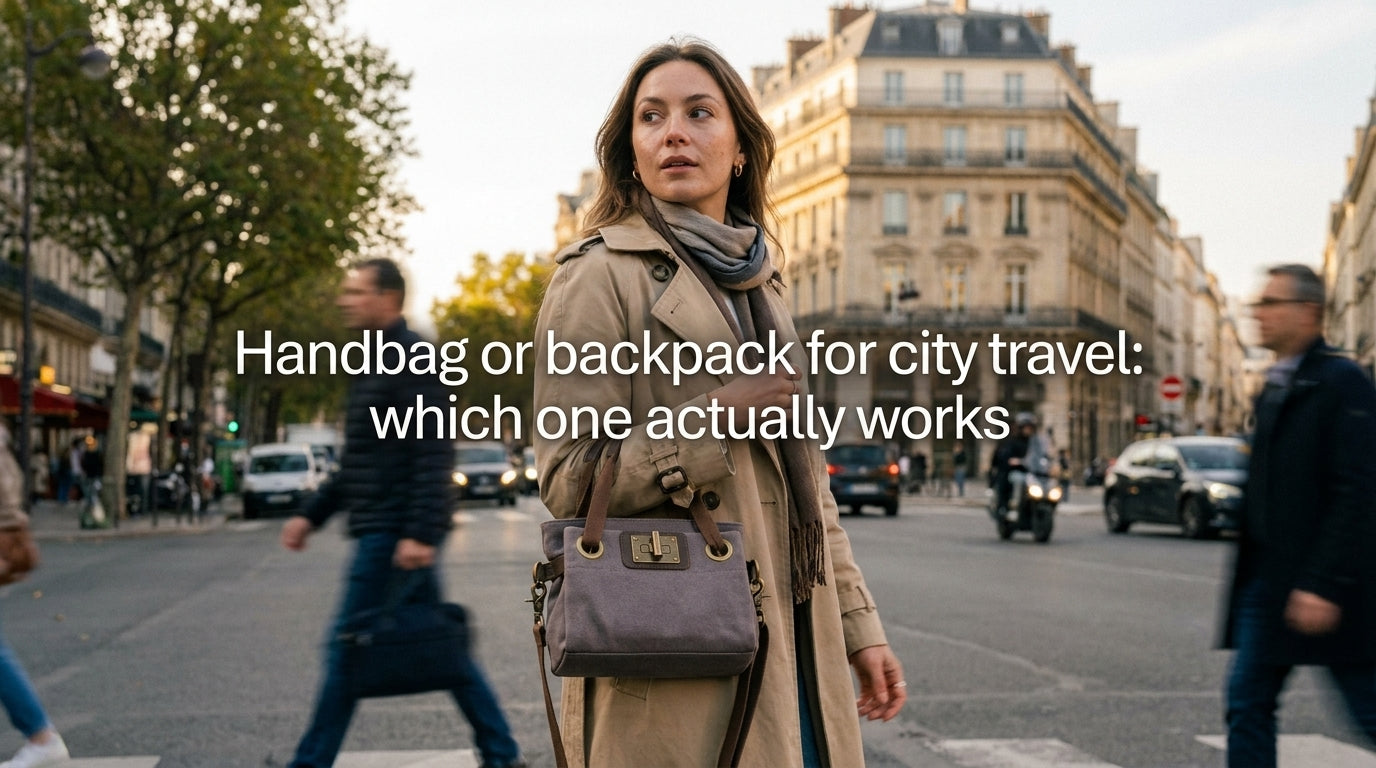
Shop the look: PONT-DES-ARTS - XS / Gris

What makes city travel different from regular travel
City travel isn't about packing for a week — it's about carrying what you need for 8-12 hours of walking, metro rides, museum visits, and restaurant stops. Your bag becomes your mobile office, holding everything from transit cards to phone chargers to that extra layer when the weather shifts.
The urban environment creates specific challenges. Crowded metros mean you need quick access to tickets. Pickpockets target tourists fumbling with zippers. Uneven sidewalks and stairs punish poor weight distribution. Restaurant chairs and cafe tables demand bags that can sit properly without toppling.
For a broader overview, see Senreve alternative: why I switched to this Parisian brand instead.
Most travel bags fail city tests because they're designed for airport-to-hotel transport, not all-day urban exploration. That's where the PONT-DES-ARTS stands apart — it was conceived in Le Marais, Paris, by people who actually walk these streets daily.
Why backpacks struggle in cities (despite seeming obvious)
Backpacks seem like the logical choice for city travel. They distribute weight across both shoulders, free your hands, and hold plenty of gear. But cities expose their fundamental flaws.
Security becomes a nightmare. Everything valuable sits behind you, invisible and accessible to others. Crowded metros are pickpocket paradise when your bag is out of sight. Even checking if your phone is still there requires an awkward shoulder twist.
Access turns into theater. Need your metro card? Stop walking, swing the bag around, unzip, dig through contents, find the card, zip up, swing back. Repeat this dance 20 times a day and you'll understand why locals carry crossbody bags.
Size works against you. The capacity that seems perfect for day trips encourages overpacking. That extra sweater, backup phone charger, and "just in case" umbrella add up. Soon you're carrying a 15-pound pack through narrow cafe aisles.
The handbag advantage (and where it breaks down)
Traditional handbags excel at access and security. Your essentials stay visible and reachable. Grabbing your phone, wallet, or transit card takes seconds, not a full bag reorganization.
The psychological benefit is real. When your bag sits in front of you or at your side, you feel more aware and in control. Restaurant dining becomes easier — no awkward bag-swinging or under-table storage.
But shoulder bags create their own problems during long city days. That cute tote that feels fine for two hours becomes a torture device after six. Weight concentrates on one shoulder, creating fatigue and postural compensation. Your dominant arm gets tired from constantly adjusting the strap.
Weather resistance often disappoints. Many handbags use materials that look elegant but can't handle sudden rain showers or coffee spills — common city hazards.
Why crossbody bags solve the city travel equation
The best handbag or backpack for city travel is actually neither — it's a well-designed crossbody bag that borrows the best elements from both.
Weight distribution improves dramatically. The diagonal strap spreads load across your torso instead of concentrating it on one shoulder. You can walk for hours without the fatigue that kills traditional handbag users.
Security stays manageable. The bag sits at your front or side, visible in your peripheral vision. Quick glances confirm everything's secure. Access remains instant for essentials while keeping valuables close.
The size constraint becomes a feature. Crossbody bags force smart packing decisions. You bring what you actually need, not what might be useful. This prevents the overpacking that makes backpacks unwieldy.
The PONT-DES-ARTS demonstrates how thoughtful design solves city travel challenges. Its washed cotton canvas resists water and stains. Five interior pockets organize essentials for quick access. The adjustable strap works for different body types and carrying preferences.
What actually matters when choosing your city travel bag
Capacity should match your actual needs, not your fears. Most people overestimate what they'll carry. A bag that holds your phone, wallet, keys, small water bottle, and one extra layer covers 90% of city situations.
Pocket organization beats size every time. Multiple compartments prevent the dreaded dig-and-dump routine. Look for dedicated phone pockets, zippered sections for valuables, and easy-access spots for transit cards.
Material choice affects your entire day. Canvas-leather combinations like the PONT-DES-ARTS offer durability without the weight of full leather. Water resistance matters more than waterproofing — you need protection from light rain and spills, not submarine conditions.
Strap comfort determines whether you'll love or hate your bag by hour six. Padded sections help, but strap width and adjustment range matter more. Test how the bag sits when fully loaded, not empty.
Style flexibility lets one bag work for multiple activities. A bag that looks right at a museum also needs to work at a wine bar. The PONT-DES-ARTS achieves this balance — structured enough for professional settings, relaxed enough for casual exploration.

Common mistakes that ruin city travel bags
Choosing based on photos instead of practical testing. That Instagram-perfect bag might photograph beautifully but fail after two hours of actual use. Consider weight, strap comfort, and access patterns before aesthetics.
Ignoring your dominant hand. Right-handed people often prefer bags that rest on the left side for easier access. Test different positions before committing to a style.
Overestimating your packing discipline. If you tend to carry "just in case" items, choose a smaller bag that forces better decisions. Large bags enable overpacking that defeats their purpose.
Forgetting about restaurant and transportation logistics. Your bag needs to sit properly on metro seats, hang comfortably on chair backs, and fit under small cafe tables. These mundane details affect daily comfort more than any feature list.
Buying for vacation instead of exploration. Tourist bags often prioritize security over usability, creating fortress-like designs that frustrate daily use. City travel bags should feel invisible when worn correctly.
Making the final choice
For most travelers, a well-designed crossbody bag offers the best compromise between handbag accessibility and backpack comfort. The PONT-DES-ARTS represents this sweet spot — designed by people who actually navigate Paris streets, not just design for them.
Choose a backpack only if you're carrying substantial gear (camera equipment, work laptops, or shopping for others) and accept the security and access tradeoffs. The hands-free benefit can outweigh other concerns for specific situations.
Stick with traditional handbags if your city days involve more sitting than walking, or if quick access to contents matters more than comfort during long walks.
The right handbag or backpack for city travel disappears into your routine. You stop thinking about strap adjustments, pocket locations, or weight distribution. It simply works, letting you focus on exploring instead of managing your gear.
FAQ
Can a crossbody bag really replace a backpack for day-long city exploration?
Yes, if chosen correctly. A structured crossbody like the PONT-DES-ARTS distributes weight well enough for 8-10 hour days. The key is choosing appropriate capacity — enough for essentials without encouraging overpacking. Most travelers find 12-15 liters sufficient for city exploration.
How do I prevent pickpocketing with any bag style in cities?
Position matters more than bag type. Keep crossbody bags slightly forward where you can see them. For backpacks, use front-loading designs or wear them backwards in crowded areas. Never put valuables in outer pockets regardless of bag style. Trust your instincts about crowded situations.
What's the ideal size for a city travel bag?
Most people overestimate their needs. A bag that holds a water bottle, phone, wallet, keys, and one extra layer covers 90% of situations. The PONT-DES-ARTS Mini or XS sizes work perfectly for most travelers. Larger sizes encourage overpacking that defeats the purpose.
Should I bring a different bag for evening activities versus daytime exploration?
Not necessary with the right choice. A well-designed crossbody bag works from museum visits to dinner reservations. The PONT-DES-ARTS transitions easily between casual and elevated settings. Bringing multiple bags creates more decisions and potential loss points.
How important is water resistance for city travel bags?
More important than most realize. Cities mean exposure to rain, spilled drinks, and general moisture. Water-resistant canvas like the PONT-DES-ARTS uses protects against light rain and accidents without the weight penalty of fully waterproof materials. Complete waterproofing is overkill for most urban situations.