
The structured bag transition nobody talks about: why most fail at office-to-dinner
Here's what happens when most people try to make a structured bag work from office to dinner: they end up changing bags in their car. The bag that looked perfect for boardroom presentations suddenly feels too corporate for drinks, or the evening-appropriate style can't hold a laptop without looking bulky.
The problem isn't the concept of a structured bag for office to dinner transition. The problem is that most structured bags are designed for one scenario, not two.
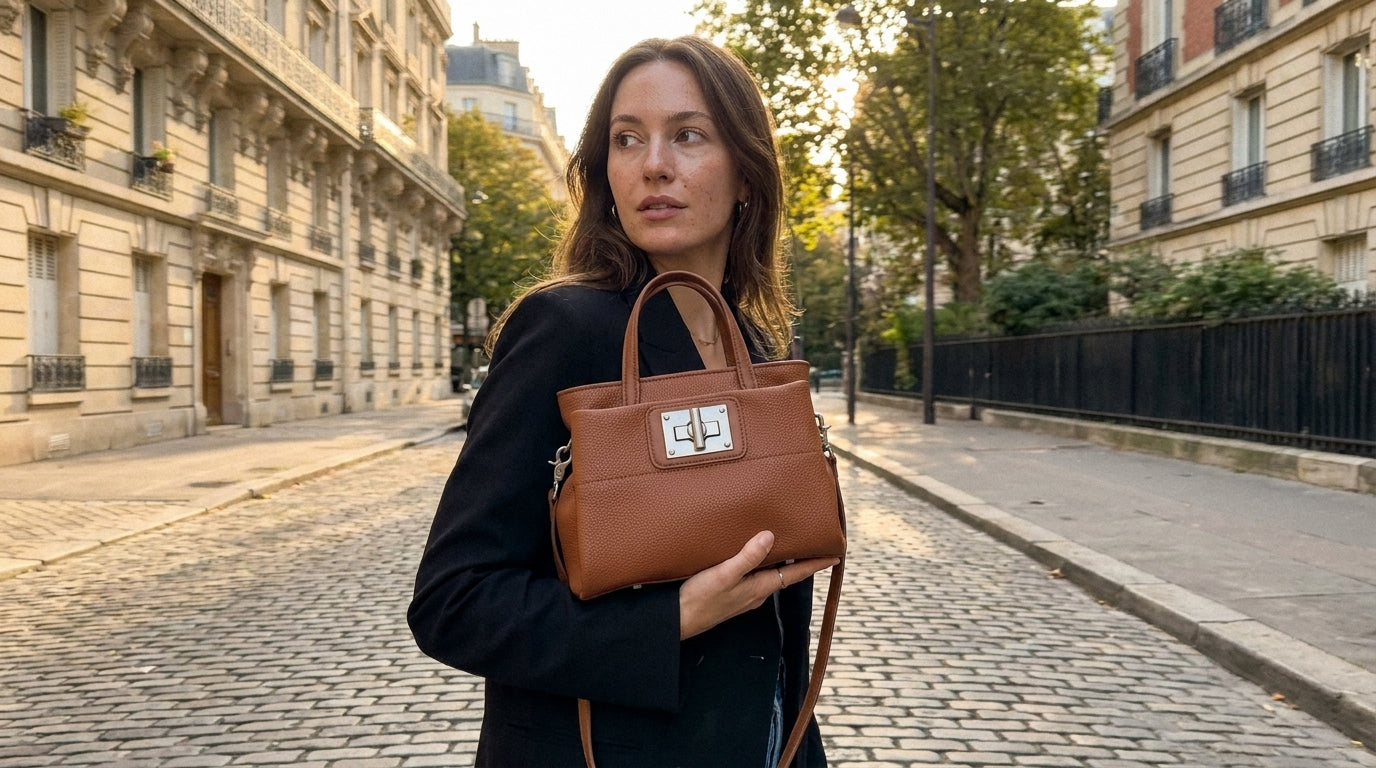
Shop the look: PONT-DES-ARTS - Vegan Leather - XS / Gold

What makes a structured bag actually transition-ready
A true transition bag needs three things that most structured bags don't have: organizational depth, carrying versatility, and visual adaptability. The structure should come from internal compartments, not just a rigid exterior that looks professional but holds nothing useful.
After looking at dozens of structured bags marketed as "office to dinner" pieces, the biggest gap is storage logic. You get one large compartment with maybe a zippered pocket. That's not organization — that's just a pretty shell with markup.
For a broader overview, see Senreve alternative: why I switched to this Parisian brand instead.
Real transition functionality means seven distinct storage areas: front pocket for quick access items, rear magnetic pocket for phone, main compartment with center divider, plus four interior pockets for cards, keys, and small essentials. Each pocket serves a specific purpose, whether you're pulling out business cards in a meeting or finding lip balm at dinner.
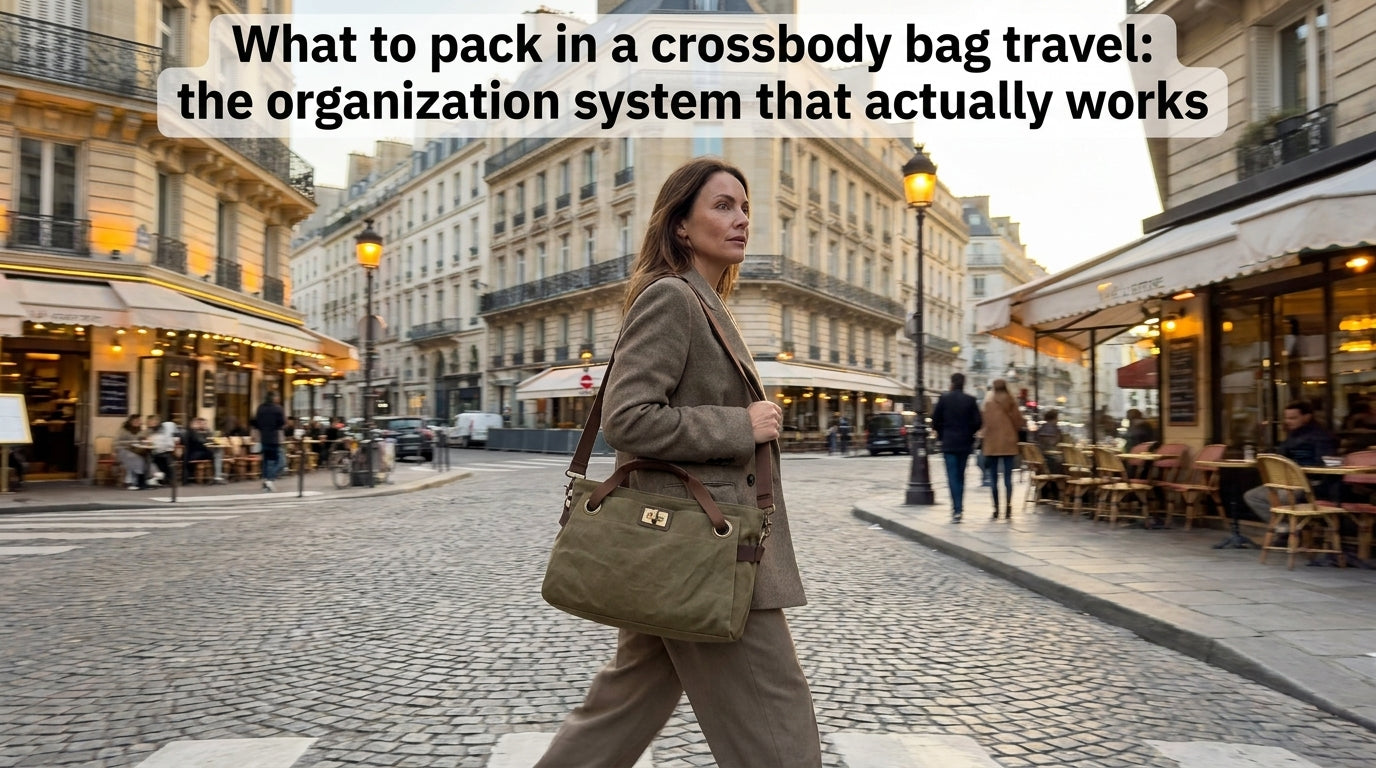
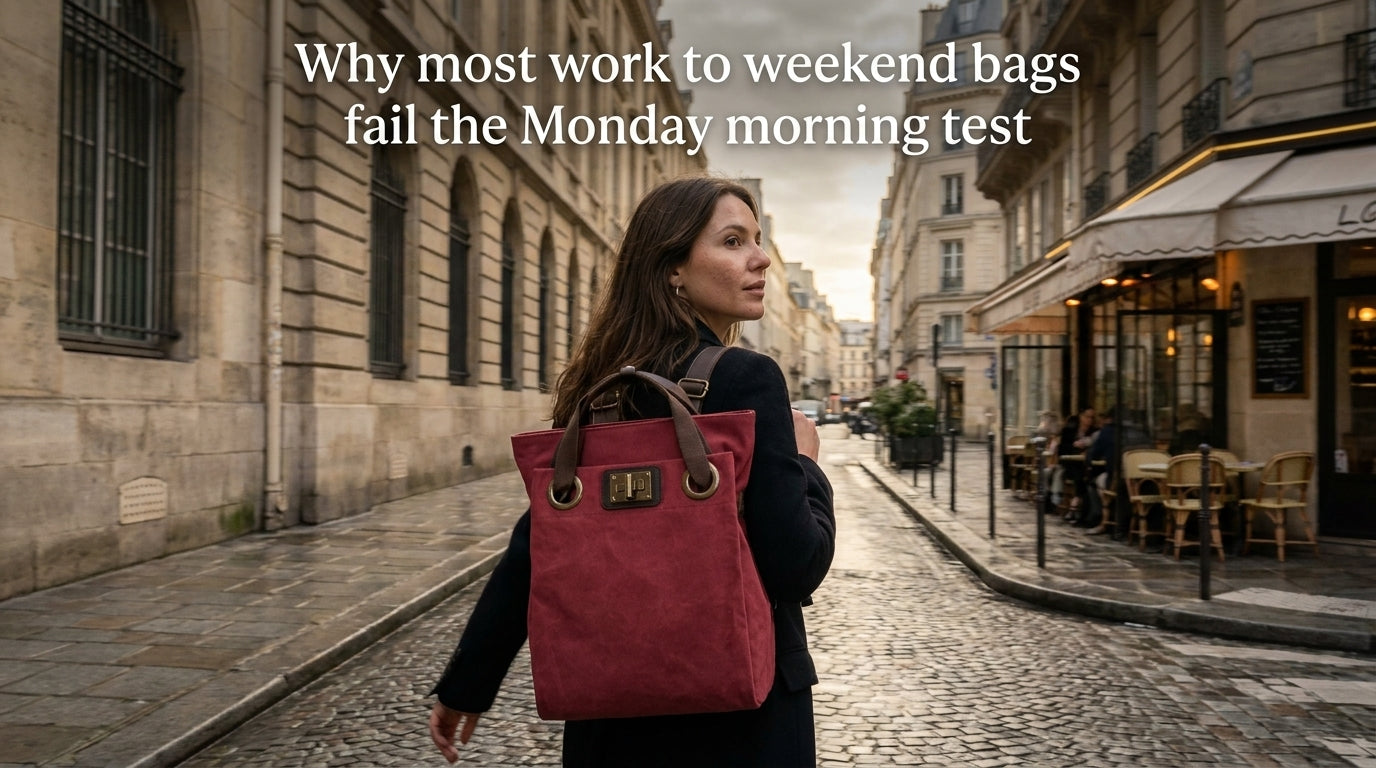
The PONT-DES-ARTS Vegan Leather handles this balance by combining structured organization with three carrying options. Hand-carry for formal meetings, crossbody for commuting, shoulder-wear for dinner — same bag, different energy.
The carrying method most people get wrong
Here's where the transition usually breaks down: people buy a structured bag thinking they need to carry it the same way all day. But office energy and dinner energy require different carrying styles.
In meetings, you want the authority of hand-carrying or structured shoulder wear. For the evening shift, crossbody creates a more relaxed, approachable silhouette. The same structured silhouette reads completely differently depending on how it sits on your body.
Most structured bags lock you into one carrying method. Look for adjustable, detachable straps that let you shift the bag's position and energy throughout the day. The structure stays consistent, but the way it interacts with your outfit changes everything.

Why material choice determines transition success
The material conversation around structured bags usually focuses on durability, but transition bags need something else: visual temperature flexibility. A bag that looks appropriate in fluorescent office lighting needs to work under warm restaurant ambiance too.
Premium vegan leather with a pebbled grain finish hits this sweet spot better than most traditional leather options. It reads professional without the corporate stiffness, sophisticated without the evening-only restriction. The texture catches light differently throughout the day — more matte and business-appropriate in office lighting, softer and more luxurious under evening warmth.
This isn't about ethics (though that matters too). It's about visual adaptability. Traditional structured leather often looks too formal for casual dinner settings, while softer materials can look unprofessional in business contexts.
The size mistake that kills versatility
Most people think bigger means more versatile for a structured bag for office to dinner transition. Actually, the opposite is true. Oversized structured bags dominate your outfit in evening settings, while tiny structured bags can't handle office essentials.
The sweet spot is a bag that holds your daily necessities without overwhelming your silhouette. You need space for a phone, wallet, keys, lip products, and maybe a small notebook — but you don't need to carry your entire office home every night.
When we see customers who successfully transition one bag from office to dinner, they almost always choose medium-sized structured pieces. Large enough for function, compact enough to stay elegant when the lighting changes.
The organization system that actually works
Here's what nobody tells you about structured bag organization: external pockets matter more than internal ones for transition bags. You need quick access to different items throughout the day without opening the main compartment every time.
Front turn-lock pockets work perfectly for business cards during office hours, then transition to holding dinner mints or parking receipts in the evening. Magnetic rear pockets keep your phone accessible whether you're checking emails or taking photos at dinner.
The center zippered divider is crucial for transition success. One side for office essentials (cards, lip balm, hand sanitizer), the other for evening additions (lipstick touch-up, breath mints, cash for tips). You're not reorganizing your entire bag between contexts — you're just accessing different compartments.
Light-colored interior lining makes everything findable in dim restaurant lighting. This seems like a small detail, but it's the difference between smoothly finding what you need and fumbling through a dark bag interior while trying to look composed.

Common transition mistakes to avoid
The most common mistake is buying a structured bag based on how it looks empty, not how it functions full. That perfect silhouette in the store becomes a shapeless mess when you add your daily essentials.
Another mistake: choosing based on one context. If you only think about office needs, you'll end up with something too corporate for dinner. If you only consider evening use, you'll sacrifice the professional presence you need during work hours.
Over-accessorizing the transition is another trap. The bag should do the heavy lifting for style adaptation — you shouldn't need to add or remove scarves, charms, or other accessories to make it work in different settings.
Finally, don't underestimate strap adjustment. Many people set their strap once and never change it. For true office to dinner versatility, you need to be comfortable adjusting strap length throughout the day. Shorter for professional hand-carry, longer for relaxed crossbody wear.
Making the transition seamless
The best structured bag for office to dinner transition works so well that you forget you're carrying the same bag all day. It adapts to your needs and energy without requiring conscious effort from you.
Look for bags with multiple organizational zones, versatile carrying options, and materials that read differently under various lighting conditions. The structure should come from smart interior design, not just external rigidity.
Most importantly, test the transition before committing. Can you comfortably shift from hand-carry to crossbody? Do the pockets make sense for both contexts? Does the bag's visual weight work with both professional and social outfits?
A structured bag for office to dinner transition should feel like having the right bag for every moment, not like making compromises all day.