
Sezane vs ZEDE: which French bag brand actually fits your daily life
Sezane bags photograph beautifully. ZEDE bags survive commutes. That's the core tradeoff when comparing these two Parisian brands in 2026.
After testing bags from both brands extensively, the difference comes down to this: Sezane prioritizes aesthetic appeal with smooth leathers and vintage-inspired silhouettes that look perfect on Instagram. ZEDE focuses on daily utility with water-resistant cotton canvas and split leather construction designed to handle real life.
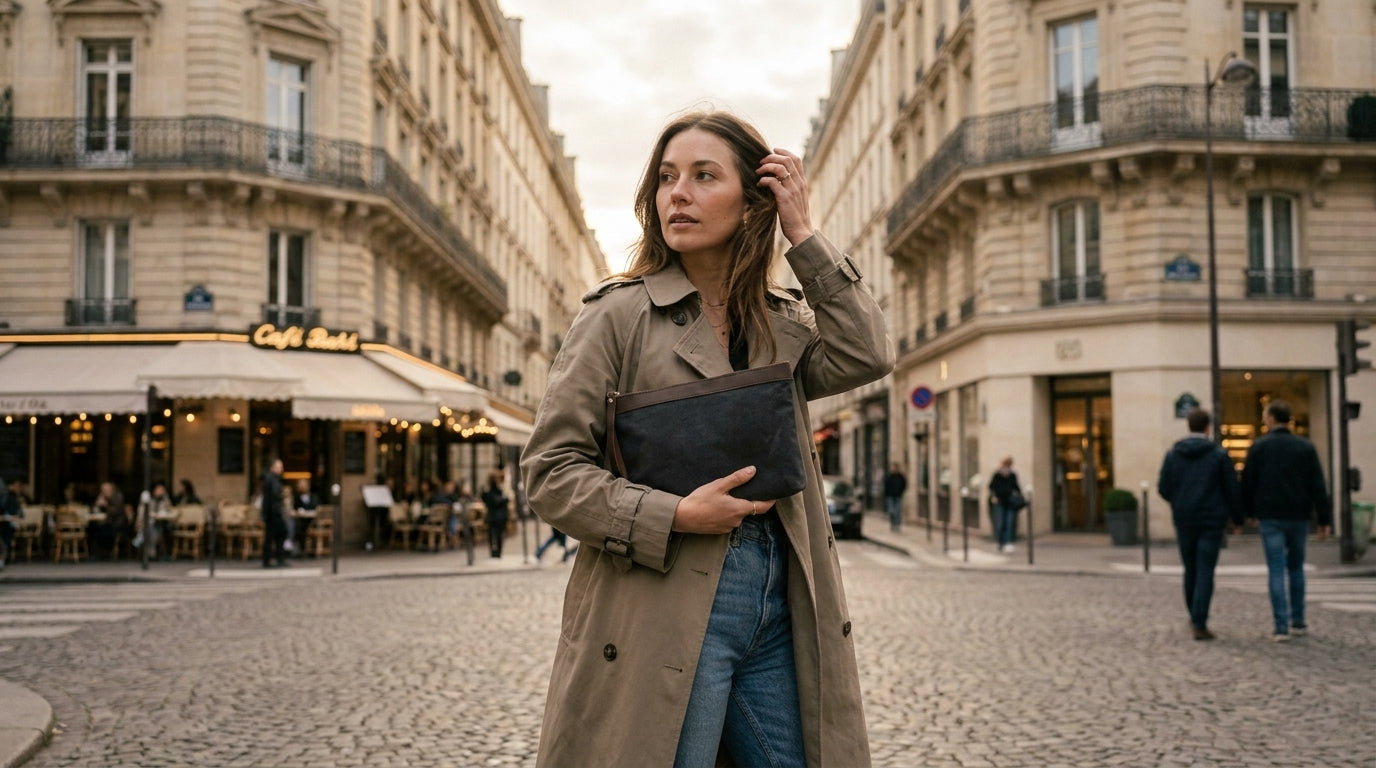
Shop the look: TROCADERO - Noir
The verdict depends entirely on how you'll actually use the bag. If you need something for weekend brunches and photo opportunities, Sezane delivers that effortless French-girl aesthetic. If you're commuting, traveling, or need a bag that performs as well as it looks, ZEDE wins on durability and functionality.

The tale of two Parisian philosophies
Sezane built its reputation as the French brand that made Parisian style accessible globally. Founded by Morgane Sézalory in 2013, it started as an online-only concept store offering curated vintage pieces before expanding into its own clothing and accessories line. The aesthetic is unmistakably romantic: think buttery smooth leathers, curved silhouettes, and colors inspired by vintage French films.
For a broader overview, see The handbag buying guide that actually helps you choose.
ZEDE comes from a completely different tradition. The brand emerged from an actual leather goods workshop in Le Marais that manufactured bags for luxury houses. When founder Dominique realized these same craftspeople could sell directly to customers without the 12x markup, ZEDE was born. The philosophy is pragmatic: excellent materials, honest construction, fair pricing.
This fundamental difference in origin stories explains everything about how these brands approach bag design. Sezane thinks like a fashion house. ZEDE thinks like a workshop.
Materials and construction: where the real differences emerge
The material choice reveals each brand's priorities clearly. Sezane uses smooth, supple leathers that feel luxurious to touch but show scratches and wear marks easily. Their signature bags like the Mila and Chloe feature beautiful grain leathers that photograph exceptionally well but require careful handling.
ZEDE takes a different approach entirely. Their bags combine washed cotton canvas with split leather accents. The canvas provides water resistance and durability that smooth leather simply can't match. I've carried ZEDE bags through rain, packed them into overhead bins, and tossed them onto subway floors. They improve with age rather than deteriorating.
The construction methods differ just as dramatically. Sezane bags prioritize clean lines and minimal hardware, which creates beautiful silhouettes but sometimes at the expense of structural integrity. ZEDE bags feature reinforced stress points, quality zippers, and internal organization systems built for daily use.
After six months of regular use, a Sezane bag will show its age. A ZEDE bag will just be getting broken in properly.
Daily functionality: the commuter test
This is where the sezane vs zede comparison becomes decisive for most people. Sezane bags excel in controlled environments. They're perfect for dinner dates, weekend shopping, or any situation where the bag stays on your shoulder and looks elegant doing it.
ZEDE bags excel in chaos. They have multiple compartments, secure closures, and materials that handle whatever you throw at them. The TROCADERO pouch exemplifies this philosophy perfectly. At 28 x 18 x 7 cm, it fits essentials like earbuds, mascara, and small electronics while maintaining its shape and protecting contents with a sturdy zipper closure.
The difference becomes obvious during travel. Sezane's smooth leathers show every scuff from airport security bins. The hardware can snag on seat belts or door handles. ZEDE's cotton canvas and split leather combination shrugs off this kind of abuse.
For laptop carrying, the comparison isn't even close. ZEDE bags feature padded compartments and reinforced bases. Most Sezane bags lack internal structure for electronics protection.
Price analysis: what you're actually paying for
Sezane bags typically range from €180-€350, positioning themselves as accessible luxury. ZEDE bags start around €89 for smaller pieces like pouches and reach €249 for their largest crossbody bags. The price difference reflects different business models entirely.
With Sezane, you're paying for brand marketing, flagship store rent, and the lifestyle aesthetic they've cultivated. The bags are well-made, but a significant portion of the price goes toward non-product costs.
ZEDE's pricing reflects their workshop origins. You're paying for materials and construction, period. No celebrity endorsements, no prime real estate, no lifestyle marketing. Just the actual cost of making a really good bag plus a reasonable margin.
The value equation becomes even clearer when you factor in longevity. A Sezane bag might last 2-3 years with regular use before showing significant wear. ZEDE bags routinely last 10+ years. The founder still carries bags he made over a decade ago, and they look better now than when new.
Style and versatility: form meets function
Sezane wins the pure aesthetics battle. Their bags have that effortless French elegance that pairs beautifully with flowing dresses, tailored coats, and the kind of outfits that look carefully curated even when they're not.
ZEDE bags offer a different kind of style appeal. They're handsome rather than pretty. The cotton canvas and leather combination creates a sophisticated urban aesthetic that works equally well with jeans and blazers or dresses and sneakers. The style is more versatile but less Instagram-ready.
Color options reveal this difference too. Sezane offers seasonal palettes tied to fashion trends. ZEDE provides classic colors designed to work with multiple wardrobes across multiple years. Their approach prioritizes longevity over trendiness.
The silhouettes differ accordingly. Sezane bags often feature curved lines and soft shapes that complement feminine styling. ZEDE bags have more structured profiles that work across gender lines and style preferences.
The verdict: matching bags to lifestyles
Choose Sezane if you prioritize aesthetic appeal and gentle use. Their bags excel for social occasions, weekend activities, and situations where looking effortlessly chic matters more than practical functionality. The smooth leathers and romantic silhouettes create exactly the French-girl aesthetic that made the brand famous.
Choose ZEDE if you need a bag that performs as well as it looks. The sezane vs zede comparison becomes straightforward for commuters, travelers, and anyone who puts their bag through daily wear. ZEDE's cotton canvas and split leather construction, combined with thoughtful internal organization, makes these bags ideal for real life rather than photo opportunities.
The price-to-longevity ratio also favors ZEDE significantly. While Sezane bags cost more upfront and require replacement sooner, ZEDE bags cost less initially and last dramatically longer. Over five years, ZEDE represents better value for most people.
Both brands deliver authentic Parisian craftsmanship, just with different priorities. Sezane captures the romantic vision of French style. ZEDE delivers the practical reality of French quality. Your lifestyle determines which approach serves you better.


