

Satchel vs shoulder bag: why the difference matters more than you think
The core difference between a satchel and a shoulder bag comes down to structure and carrying style. Satchels have a flat, structured base and are designed to be carried by hand or with a short strap. Shoulder bags are softer, designed primarily for shoulder wear with longer straps. This isn't just semantics — it changes how the bag sits, what it holds, and how it fits into your daily routine.
After looking at dozens of bags in both categories, the verdict is simple: choose based on your carrying habits, not the label. If you're constantly reaching into your bag while walking, a shoulder bag wins. If you set your bag down frequently and need it to stay upright, go satchel.
Shop the look: PONT-DES-ARTS - XS / Brique

What defines satchel bag vs shoulder bag differences
The confusion starts because many bags get labeled incorrectly. A true satchel has a structured rectangular base, usually with a flap closure, and was originally designed for carrying documents. Think of a lawyer's briefcase or a school bag — that flat, boxy shape that stands upright when you set it down.
Shoulder bags are softer by design. They're meant to conform to your body when worn, with longer straps that hit at hip level or below. The base can be round, soft, or slouchy — structure isn't the priority, comfort is.
For a broader overview, see The handbag buying guide that actually helps you choose.
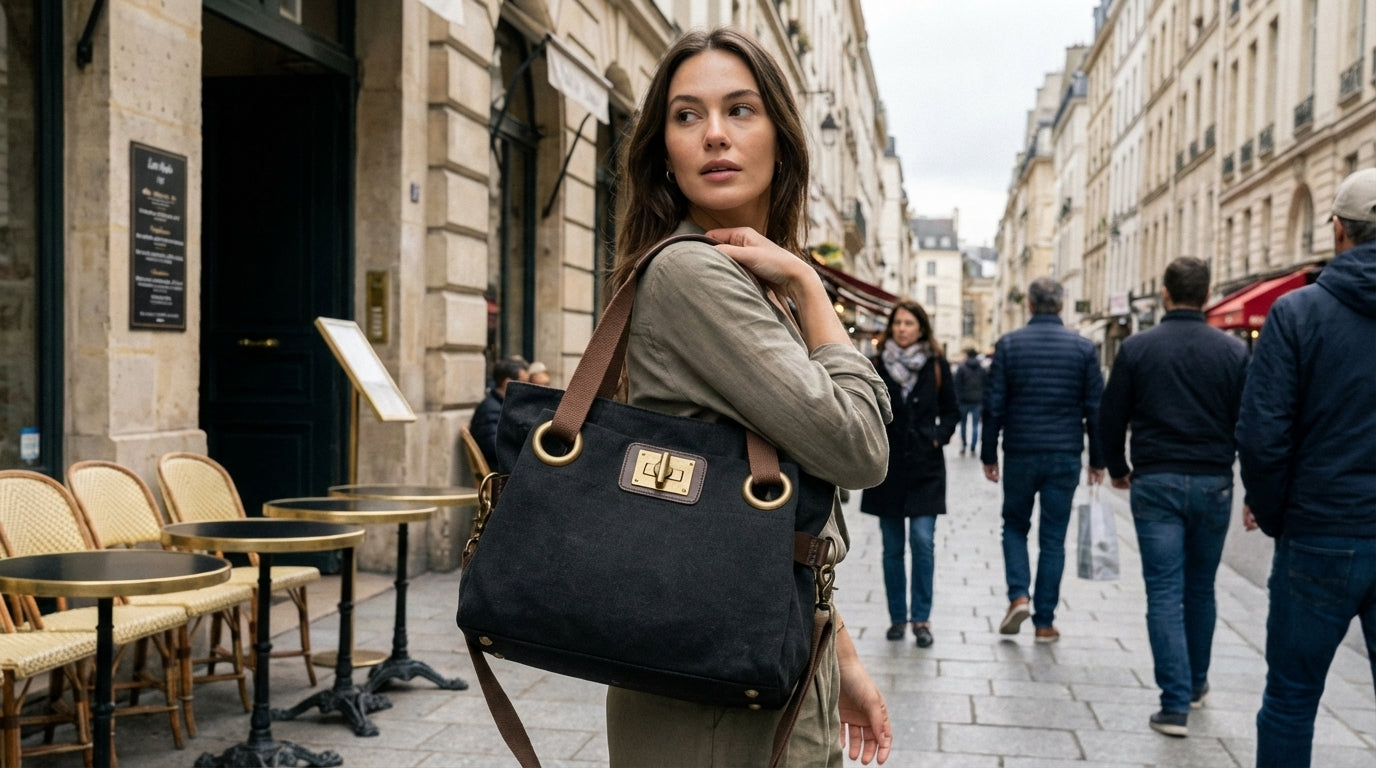
The PONT-DES-ARTS from ZEDE actually bridges both categories. It has the structured base of a satchel but comes with an adjustable shoulder strap that lets you wear it three ways: by hand, over the shoulder, or crossbody. The washed cotton canvas and split leather construction gives it enough structure to stand upright while remaining soft enough for comfortable shoulder wear.
Material plays a role too. Traditional satchels use firm leather or heavy canvas to maintain that boxy shape. Shoulder bags often use softer leather, fabric, or flexible materials that move with you.
Key benefits of each style
Satchels excel at organization and presentation. That structured base means your laptop won't bend, your papers stay flat, and the bag looks professional sitting next to your desk. The downside? They can feel formal and aren't always comfortable for long periods of carrying.
Shoulder bags win on comfort and versatility. They distribute weight better across your body, work for both casual and dressed-up occasions, and you can access your contents while the bag is still on your shoulder.
The most common mistake we see is people buying a structured satchel thinking it will work as an everyday shoulder bag. The rigid base that makes it perfect for work meetings makes it awkward for grocery shopping or casual weekend errands.
In our experience, the bags that get used most are hybrid designs like the PONT-DES-ARTS. The structured base gives you satchel functionality when you need it, but the soft canvas construction and adjustable strap make it comfortable as a shoulder bag too.

How to choose between satchel and shoulder bag
Start with your daily routine. Do you carry your bag for more than 30 minutes at a time? Shoulder bag. Do you frequently set it down on desks, floors, or car seats? Satchel structure helps.
Consider what you carry. Heavy items like laptops, books, or tablets need structure. A soft shoulder bag will sag and the weight will pull uncomfortably. Light everyday items — wallet, keys, phone, sunglasses — work fine in either style.
Think about access patterns. With a shoulder bag, you can swing it around to your front and dig through it while walking. With a satchel, you typically need to set it down or take it off to access contents easily.
The PONT-DES-ARTS solves the access problem with five interior pockets, including two with zippers. You can find what you need quickly whether you're carrying it by hand or wearing it crossbody. Available in Corail, Noir, Camel, and twelve other colors, it adapts to both professional and casual settings.
Size matters more than you'd expect. A large satchel can feel overwhelming when worn as a shoulder bag. A tiny shoulder bag defeats the purpose if you need satchel-level organization. The PONT-DES-ARTS comes in four sizes, from XS for essentials-only days to Normal for full work setups.
Common mistakes when choosing bag styles
The biggest error is buying based on looks alone. That beautiful structured satchel might photograph well, but if you're constantly walking between meetings, your shoulder will hate you by lunch.
Another mistake: assuming expensive means better organized. Most luxury bags charge you for the name but give you one big empty space inside. The markup on luxury bags can be 12 times the manufacturing cost — you're paying for marketing, not functionality.
People also underestimate strap comfort. A thin leather strap might look elegant, but after an hour of carrying your laptop, work papers, and daily essentials, it will dig into your shoulder. The PONT-DES-ARTS uses a canvas and leather handle combination that distributes weight better than pure leather.
Don't fall for the "investment piece" trap either. The best bag investment is one you'll actually use daily. A $500 satchel that sits in your closet because it's uncomfortable is a worse investment than a $129 hybrid that becomes your go-to for everything.

Final thoughts on satchel vs shoulder bag choice
The satchel bag vs shoulder bag differences matter less than finding a design that works with your actual life. Pure satchels work best for people with desk jobs who need professional presentation. Pure shoulder bags suit active lifestyles where comfort trumps structure.
The sweet spot is a bag that can do both. After testing dozens of options, hybrid designs like the PONT-DES-ARTS offer the best of both worlds. You get satchel organization and structure when you need it, shoulder bag comfort when you're on the move.
When customers return to ZEDE after trying other brands, they almost always mention the same thing: other bags look good but aren't functional inside. The PONT-DES-ARTS proves you don't need to choose between style and practicality — or pay luxury prices for basic functionality.