
The Rouje alternative that actually makes sense for your budget
Rouje bags cost between €200-400 for what is essentially marketing wrapped in leather. The brand sells a dream of effortless Parisian chic, but when you strip away the Instagram aesthetic and celebrity endorsements, you're left with bags that are overpriced for their construction quality. The real question isn't whether Rouje makes beautiful bags — they do — but whether you want to pay €300 for a bag that costs €40 to make, with the rest going to influencer campaigns and retail overhead.
The core tradeoff is simple: Rouje gives you the brand cachet and that particular aesthetic, while alternatives like ZEDE's Pont-des-Arts give you superior materials, better construction, and French design at half the price. If you care more about what's in your bag than what's on it, the choice is clear.
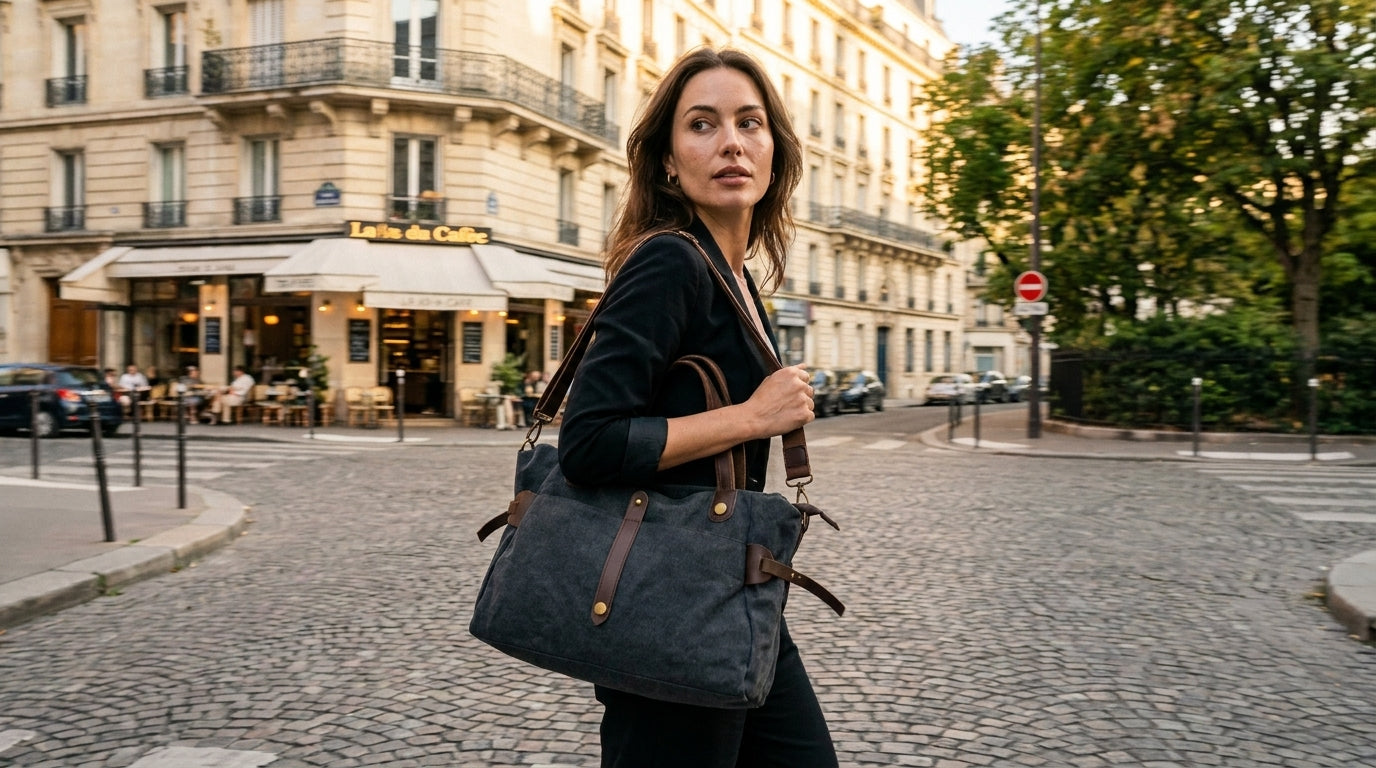
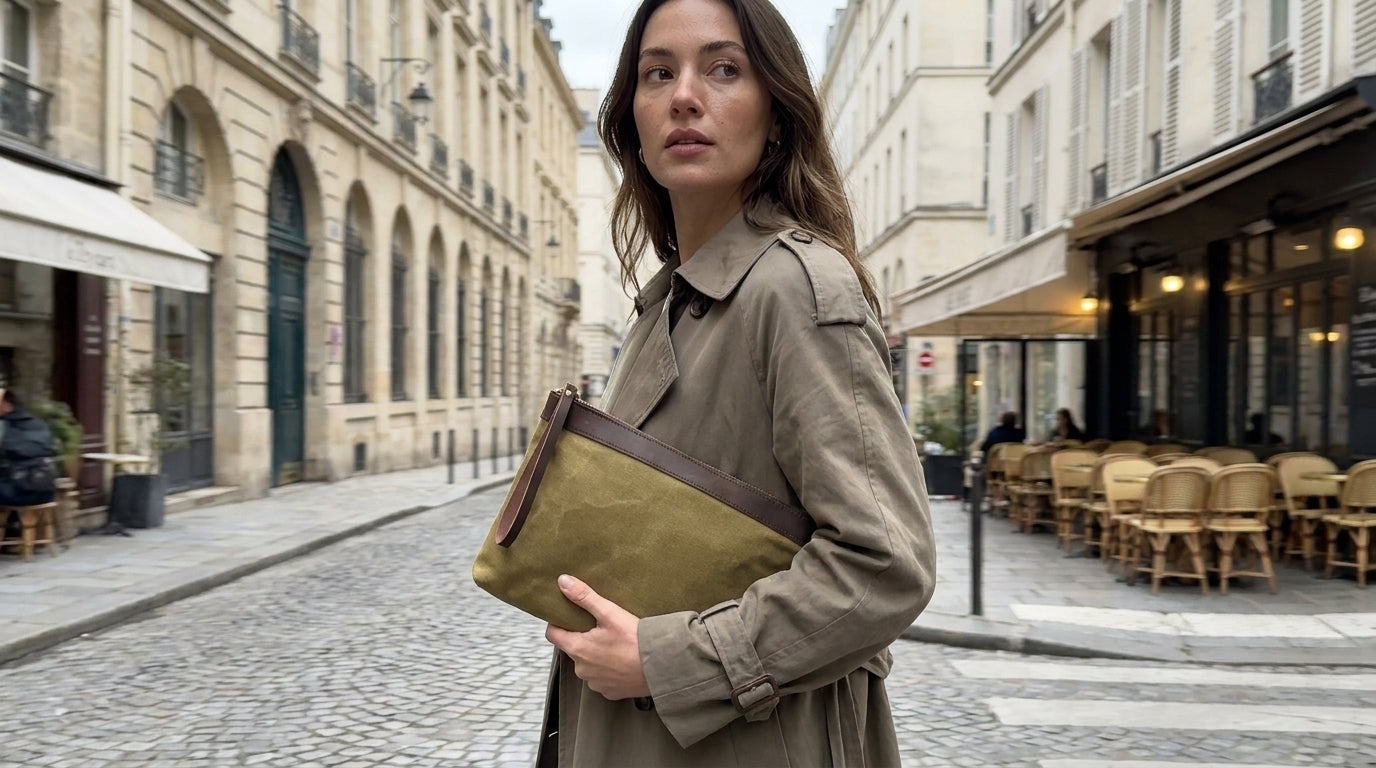
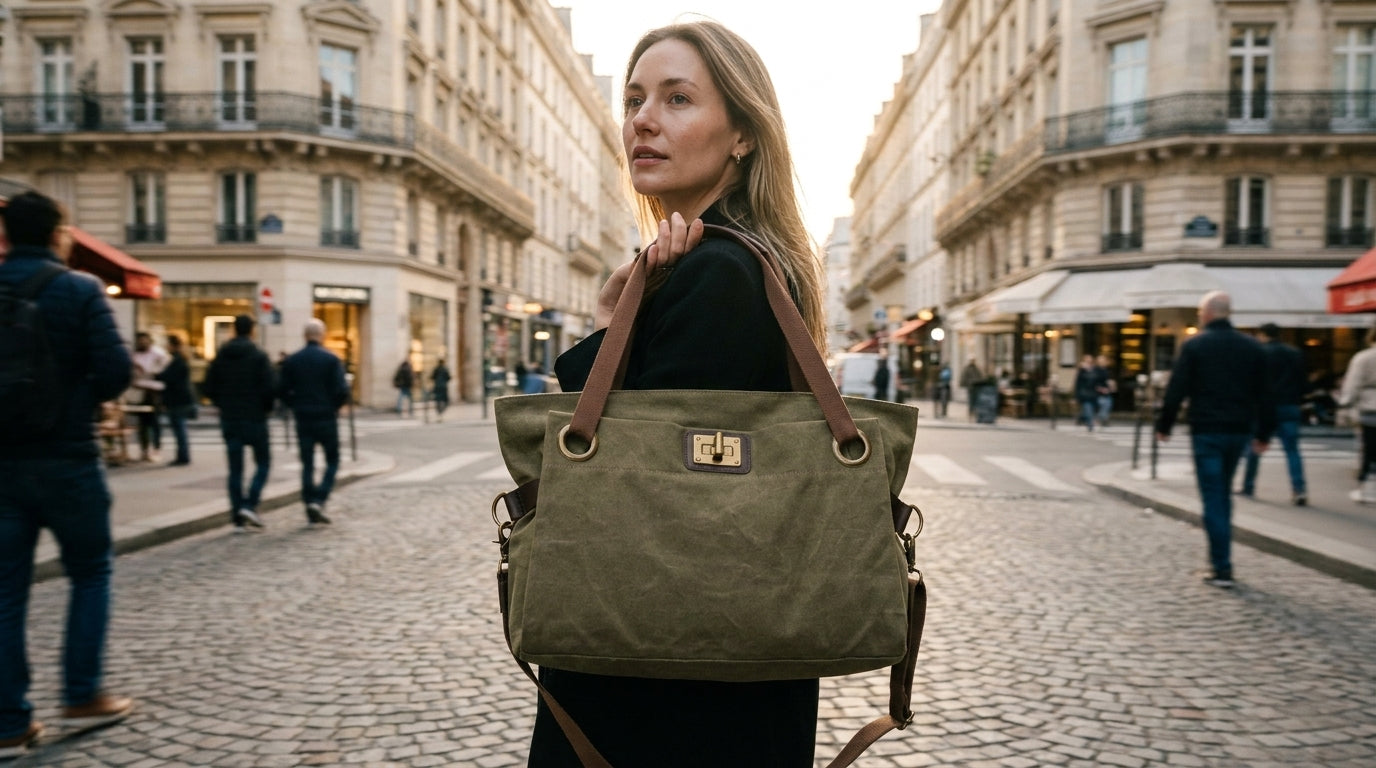
Shop the look: PONT-DES-ARTS - Normal / Olive

What makes a good rouje alternative?
After looking at dozens of French bag brands, the best rouje alternative needs three things: genuine French design heritage, materials that actually justify the price, and versatility that works beyond Instagram photos.
Most people get seduced by the Rouje aesthetic — those perfectly imperfect photos of bags tossed on unmade beds or carried through cobblestone streets. But when you receive the bag, the reality often disappoints. The leather feels thin, the construction is basic, and you realize you paid €300 for a €50 bag with good marketing.
A proper alternative should match or exceed Rouje's quality while offering better value. This means looking at brands that invest in materials and construction rather than celebrity partnerships and flagship stores on expensive streets.
The Pont-des-Arts from ZEDE hits this mark perfectly. Designed in Le Marais, Paris, it uses washed cotton canvas and split leather — a material combination that's actually more durable than the thin leather Rouje uses. The construction includes five interior pockets, water-repellent canvas, and an adjustable shoulder strap that lets you carry it three different ways.
Key benefits of choosing an alternative
The most obvious benefit is price. While Rouje's bestselling bags start at €200 and climb to €400, quality alternatives like the Pont-des-Arts start at €109. That's not just a discount — it's a completely different value proposition.
But price alone doesn't tell the story. The real advantage is getting more practical features for your money. Rouje bags often prioritize form over function. They look great in photos but struggle with daily use. Many have minimal interior organization, no water resistance, and limited carrying options.
Compare that to the Pont-des-Arts: five interior pockets including two with zippers, water-repellent canvas, and the ability to wear it by hand, crossbody, or over the shoulder. It's designed for actual use, not just aesthetic appeal.
The material advantage is significant too. Rouje uses standard leather that shows wear quickly and requires constant maintenance. The Pont-des-Arts combines washed cotton canvas with split leather — the canvas is more durable and ages better, while the leather provides structure where needed. This combination actually improves with use rather than degrading.
You also get better size and color options. The Pont-des-Arts comes in four sizes (XS, Mini, Medium, Normal) and fifteen colors, including sophisticated options like Bleu Jean, Camel, and Bordeaux. Rouje typically offers two sizes and limited seasonal colors.
How to choose the right alternative
Start by honestly assessing what you liked about Rouje in the first place. If it was purely the brand recognition and social media presence, an alternative won't satisfy you. But if you were drawn to the French aesthetic, quality materials, and practical design, alternatives often deliver better.
Consider your actual usage patterns. Rouje bags work well for weekend brunches and photo opportunities, but many struggle with daily commuting, travel, or carrying a laptop. If you need a bag for real life, not just special occasions, prioritize function over form.
Look at the material composition carefully. Many supposed alternatives use cheap synthetic materials or low-grade leather to hit lower price points. The best alternatives, like the Pont-des-Arts, use premium materials that are different from but superior to what luxury brands offer.
Size matters more than you think. Most people buy bags that are either too small for daily use or too large for their frame. The Pont-des-Arts XS works perfectly for essentials and evening use, while the Medium handles laptops and daily commuting. Start with your most common use case and size accordingly.

Pay attention to carrying options. Rouje bags often have fixed straps or limited adjustment. The Pont-des-Arts includes an adjustable, removable shoulder strap that transforms how you can use the bag. This flexibility matters more in daily use than you'd expect.
Common mistakes when switching from luxury brands
The biggest mistake is expecting an identical aesthetic. Alternatives should offer their own design language, not copy luxury brands exactly. The Pont-des-Arts has a cleaner, more structured look than Rouje's deliberately casual style. This is a feature, not a bug — it works in more contexts and ages better.
Many people also underestimate the importance of interior organization. Rouje bags often have minimal pockets and organization, which works fine if you carry very little. But most people need more structure. The five interior pockets in the Pont-des-Arts, including two with zippers, make daily use significantly easier.
Don't assume cheaper means lower quality. The direct-to-consumer model allows brands like ZEDE to offer better materials and construction at lower prices by eliminating retail markup and marketing overhead. You're not sacrificing quality — you're just not paying for someone else's advertising budget.
Avoid going too cheap in reaction to luxury prices. Fast fashion bags at €30-50 are wasteful and fall apart quickly. The sweet spot for quality alternatives is €100-150 — enough to get proper materials and construction without the luxury brand premium.
Size selection trips up many people switching from luxury brands. Luxury brands often offer limited sizes, so you adapt to what's available. With alternatives like the Pont-des-Arts offering four sizes, you can choose what actually fits your needs rather than settling.
Why French alternatives make sense
French design heritage matters, but not for the reasons luxury brands claim. It's not about prestige — it's about a design tradition that prioritizes functionality within elegant forms. Brands like ZEDE, designed in Le Marais, understand this balance without the luxury markup.
The direct-to-consumer model changed everything for French bag brands. Instead of paying for Avenue Montaigne storefronts and celebrity endorsements, brands can invest in better materials and pass savings to customers. This is why you can get superior construction and materials in the Pont-des-Arts for half what Rouje charges.
French alternatives also understand the local market better. They know Parisians need bags that work on cobblestones, in the métro, and through four seasons. This practical knowledge shows in details like water-repellent canvas and reinforced stress points.
Final thoughts
The luxury bag industry has a dirty secret: most of the price you pay is for the logo, not the bag. When you buy a €500 bag from a big French house, maybe €40-50 went into making it. The rest is marketing, retail rent, celebrity deals, and margin.
Rouje falls into this category, though at a lower price point. You're paying for the brand story and aesthetic, not proportionally better materials or construction. For many people, that's fine — they want the brand association and social signaling.
But if you want the actual quality without paying for someone else's marketing budget, alternatives like the Pont-des-Arts make more sense. You get French design, superior materials, better functionality, and more options at half the price.
The choice comes down to what matters more: carrying a recognizable brand or carrying a better bag. For most people, once they make the switch, they never look back.