
The bag-and-outfit matching rules that actually work (and the ones to ignore)
Most matching handbag to outfit tips you'll find online were written by people who've never carried the same bag for more than a photoshoot. The "always match your shoes" rule? Outdated. The "neutral bags go with everything" advice? Half true at best.
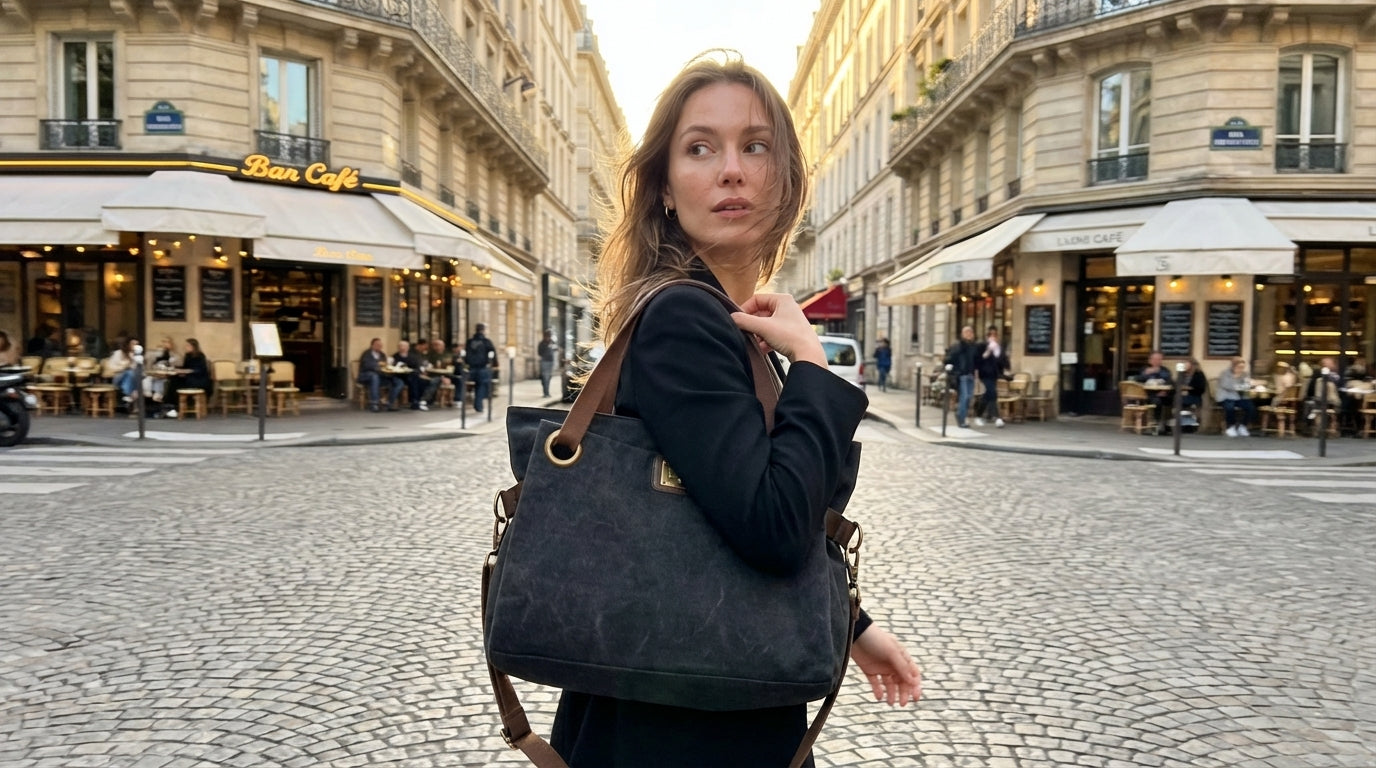
After years of designing bags in Le Marais and watching how Parisians actually dress, I've learned that the best matching handbag to outfit tips come from understanding your lifestyle first, then your wardrobe. The goal isn't perfect coordination — it's effortless functionality that happens to look intentional.
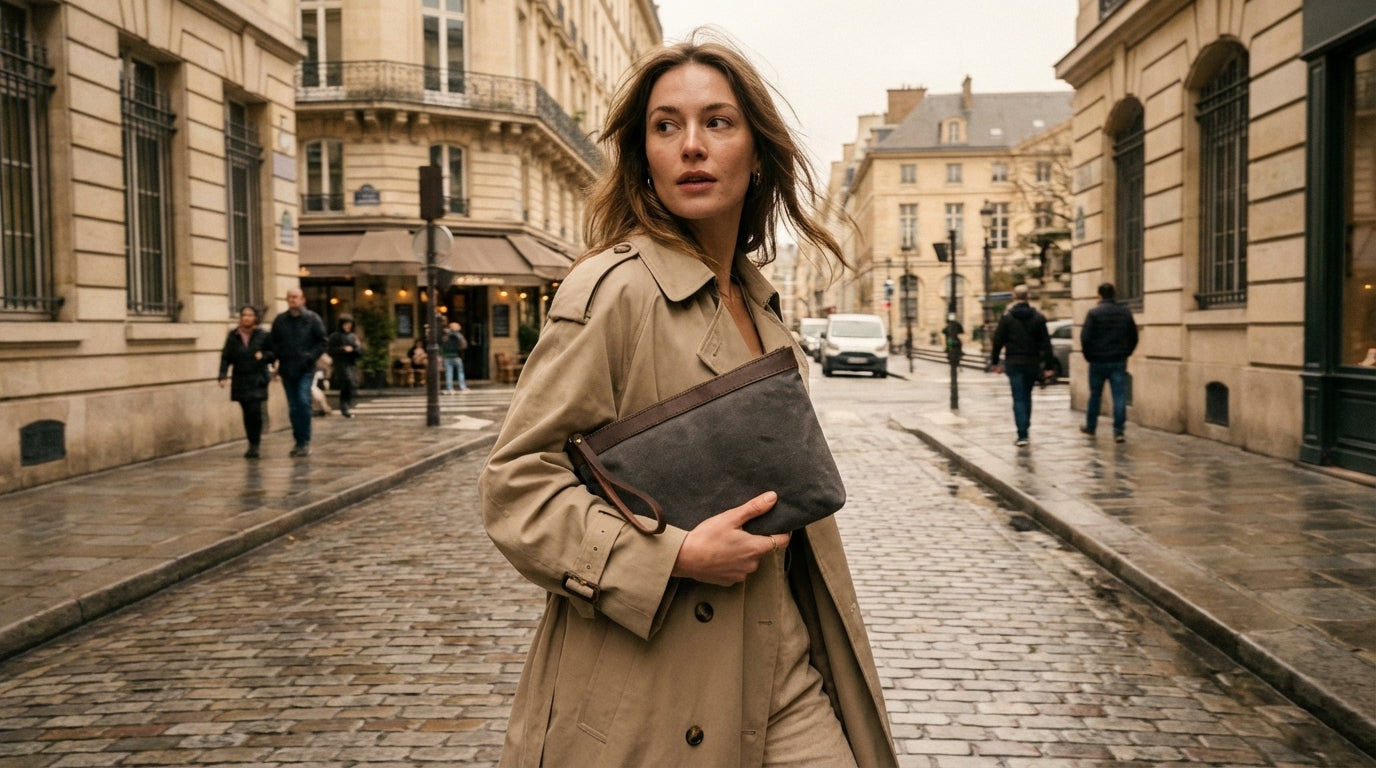
Shop the look: TROCADERO - Gris

What matching handbag to outfit tips actually mean in 2026
Forget the old rulebook. Modern matching isn't about literal color coordination or seasonal bag swaps. It's about creating a system where your bag enhances your outfit's intention without competing for attention.
The most stylish people I know in Paris follow three principles: proportion, texture, and lifestyle alignment. Your bag should balance your silhouette, add textural interest, and actually work for what you're doing that day. A structured tote with a flowy dress creates tension that looks intentional. A soft crossbody with tailored pieces adds movement.
For a broader overview, see The handbag buying guide that actually helps you choose.
This approach means you need fewer bags overall, but they need to be more thoughtfully chosen. One well-designed piece like the TROCADERO pouch can organize your essentials inside any bag, making your entire system more functional.
The three benefits that matter (and the ones that don't)
**Confidence boost through intentionality.** When your bag choice feels deliberate rather than random, you carry yourself differently. This isn't about following rules — it's about making choices that feel aligned with how you want to present yourself.
**Simplified morning routine.** A good matching system eliminates decision fatigue. You know which bag works with which outfit categories, so you're not standing in front of your closet every morning trying combinations.
**Extended wardrobe versatility.** The right bag can make the same dress work for coffee meetings and dinner dates. It's not about having more clothes — it's about making the clothes you have work harder.
What doesn't matter: impressing other people with your "fashion knowledge" or following every trend. The best-dressed people look like they're not trying too hard because they've found a system that works for their actual life.
How to choose your matching approach
Start with your most-worn outfits, not your favorite bags. Look at what you actually put on your body three times a week. Those pieces should drive your bag decisions, not the other way around.
**For structured workwear:** Choose bags with clean lines but softer materials. Canvas and leather combinations work better than all-leather because they're less formal but still polished. The texture contrast keeps structured looks from feeling too rigid.
**For casual daily wear:** Focus on proportion over color. If your style leans oversized and relaxed, a structured bag adds shape. If you prefer fitted clothes, a softer bag prevents the look from feeling too controlled.
**For mixed-use days:** This is where most people struggle. You need coffee-to-dinner versatility without looking like you're carrying luggage. Compact organization tools like the TROCADERO let you transfer essentials between bags quickly, or use it as a standalone piece for minimal days.
The key insight: your bag should complement your outfit's energy, not match its literal colors. A Bordeaux sweater doesn't need a Bordeaux bag — it might look better with olive or camel that picks up undertones without being obvious.

The matching mistakes everyone makes
**Overthinking color coordination.** Matching your bag to your shoes is a 1990s rule that creates costume-y looks. Modern coordination is about tonal harmony — warm with warm, cool with cool — not literal matching.
**Ignoring scale and proportion.** A tiny bag with an oversized coat looks unintentional. A massive tote with delicate jewelry feels unbalanced. Your bag should feel proportionate to your overall silhouette, not just your body size.
**Choosing bags for special occasions only.** If you only wear a bag for "nice" events, you're not getting value from it. Every bag in your rotation should work for at least three different scenarios in your regular life.
**Following seasonal bag rules rigidly.** White bags "only after Memorial Day" and similar rules ignore climate reality and personal style. Choose bags based on your actual weather and lifestyle, not arbitrary calendar dates.
**Buying bags without considering your storage needs.** A beautiful bag that can't hold your daily essentials will sit unused. Think about organization first — pieces like the TROCADERO help any bag work better by keeping small items contained and accessible.
Building a system that actually works
The best matching handbag to outfit tips create systems, not rules. Start with one versatile bag in a color that works with 80% of your wardrobe. Add a second bag in a different size or style, not a different color.
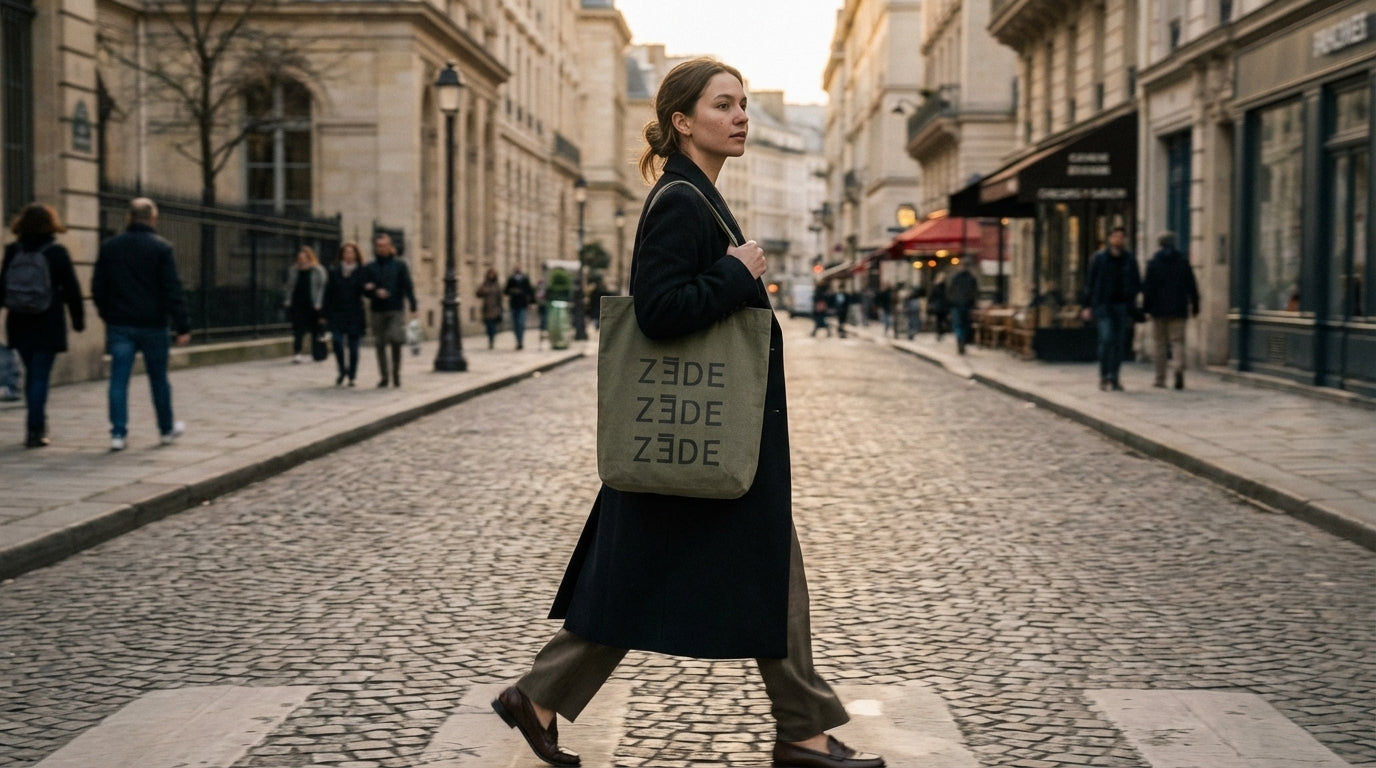
Focus on materials over colors. Suede leather and washed cotton canvas, like the materials in ZEDE pieces, work across seasons and formality levels. They age well and develop character instead of looking dated after a year.
Consider your daily transitions. If you move from office to gym to dinner, you need either one bag that works everywhere or a system for transferring essentials quickly. Organization pieces become crucial here — they make any bag swap seamless.
Test your choices in real life, not just in your mirror. Wear your outfit-and-bag combination for a full day. Does the bag hit your hip awkwardly when you sit? Is it too small for your actual needs? These practical considerations matter more than how the combination looks in photos.
When to break the matching rules
The most interesting looks happen when you intentionally break expectations. A structured bag with flowing fabrics. A soft, slouchy piece with sharp tailoring. These contrasts create visual interest that straight matching can't achieve.
Pay attention to texture mixing. Smooth leather with textured knits. Canvas with silk. Suede with crisp cotton. These combinations add depth to simple outfits and make expensive clothes look more interesting.
Sometimes the "wrong" bag is exactly right. A casual crossbody with a cocktail dress can look effortlessly chic if the proportions work. A structured tote with weekend clothes can elevate a simple outfit without trying too hard.
The key is intentionality. Rule-breaking works when it feels deliberate, not accidental. Start with classic combinations, then experiment with one unexpected element at a time.
After working with French luxury houses for years before launching ZEDE, I've learned that the best style comes from understanding quality and functionality first, then adding personal flair. The bags that look effortlessly chic are usually the ones that work seamlessly with their owner's real life.
Frequently asked questions
Should my handbag always match my shoes?
No. This outdated rule creates costume-y looks. Instead, focus on tonal harmony — warm tones with warm tones, cool with cool. Your bag and shoes can be completely different colors as long as they work with your outfit's overall color temperature.
How many bags do I actually need?
Most people need 2-3 bags maximum: one structured piece for work/formal occasions, one casual crossbody for daily use, and possibly one evening bag if your lifestyle requires it. Quality over quantity always wins.
What's the most versatile bag color?
Camel, olive, or deep Camel work with more outfits than black, which can feel too stark with casual clothes. These earth tones complement both warm and cool colors in your wardrobe without competing for attention.
Can I wear a casual bag with dressy clothes?
Absolutely, if the proportions work. A well-made crossbody in quality materials can elevate a simple dress, while a cheap-looking tote can drag down expensive clothes. Focus on construction quality and appropriate scale.
How do I organize a small bag effectively?
Use a compact organizer pouch to keep essentials contained and easily transferable between bags. This prevents small items from getting lost and makes bag swaps seamless when your day requires different styles.