

Brands like DeMellier that actually deserve your money in 2026
DeMellier hit the sweet spot between accessible and aspirational when they launched in 2017. The London-based brand caught fire after Kate Middleton carried their Mini Venice bag, and suddenly everyone wanted that "quiet luxury" aesthetic without the Hermès price tag. But here's the thing about viral success — it creates a lot of copycats and leaves genuine alternatives buried.
After looking at dozens of contemporary luxury brands, the landscape splits into two camps: brands that actually match DeMellier's craftsmanship standards, and brands that just borrowed their marketing playbook. The difference matters when you're spending $400-600 on a bag you plan to carry daily.
Shop the look: TROCADERO - Bordeaux
The brands worth your attention share three things: they manufacture in Europe (usually Spain or Italy), use structured construction that holds its shape, and design bags that work for both boardroom meetings and weekend brunches. That versatility is harder to achieve than most brands realize.

What makes DeMellier so popular?
DeMellier succeeded because they solved a real problem in the handbag market. Before them, you had two choices: spend $3,000+ on heritage luxury or settle for fast fashion that falls apart in six months. They created a third option — well-constructed bags at $300-700 that look expensive but don't require a payment plan.
For a broader overview, see Senreve alternative: why I switched to this Parisian brand instead.
Their signature moves: structured silhouettes that photograph well on Instagram, Italian leather that ages gracefully, and colorways that work with most wardrobes. The Vancouver tote and Mini Venice crossbody became cult favorites because they nail proportions that flatter most body types.
But DeMellier's real genius was timing. They launched just as millennials entered their peak earning years and wanted bags that signaled sophistication without screaming logo. The royal endorsements didn't hurt, but the bags would have succeeded anyway.
The brands like DeMellier actually worth exploring
Polène: sculptural Parisian design
Polène feels like DeMellier's artsy French cousin. Both brands focus on structured silhouettes and quality leather, but Polène leans more architectural. Their Numéro Un and Numéro Huit bags have that sculptural quality that photographs beautifully but also functions in real life.
The craftsmanship is Spanish (made in Ubrique, the leather capital), and the price point sits slightly higher than DeMellier — expect $450-650 for most styles. The leather develops a beautiful patina over time, though it shows scratches more easily than DeMellier's treated surfaces.
Where Polène wins: unique silhouettes that stand out in a sea of similar bags. Where it loses: less versatile colorways and a more rigid aesthetic that doesn't work for everyone.
Strathberry: the royal favorite
If DeMellier caught Kate Middleton's attention, Strathberry captured Meghan Markle's. The Scottish brand built their reputation on that signature bar closure — a simple detail that makes every bag instantly recognizable.
The construction quality matches DeMellier's standards, with Spanish leather and attention to interior functionality. The East/West and Nano Tote compete directly with DeMellier's bestsellers, though Strathberry's colorways tend toward more saturated tones.
The downside? That bar hardware can feel gimmicky after a while, and the brand hasn't expanded beyond their core silhouettes as successfully as DeMellier has.
ZEDE: canvas meets leather sophistication
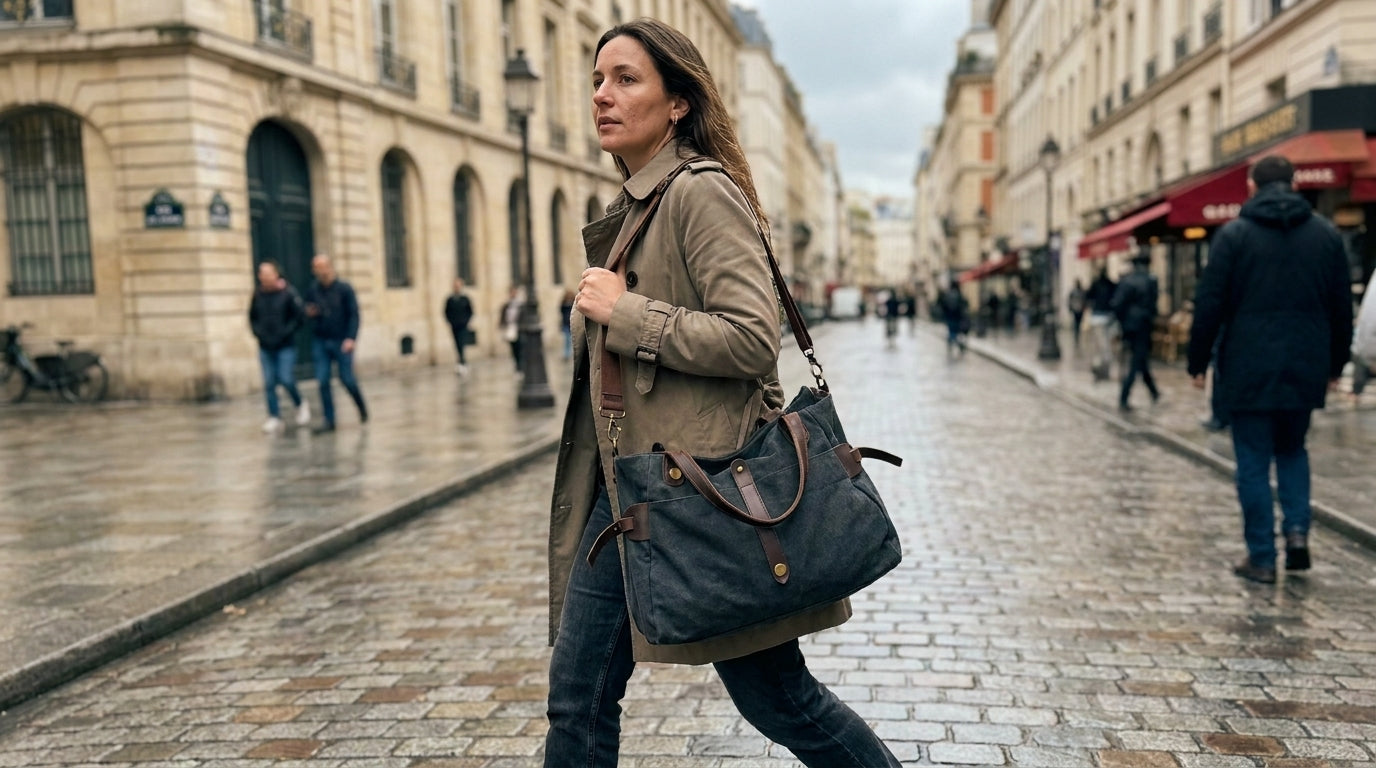
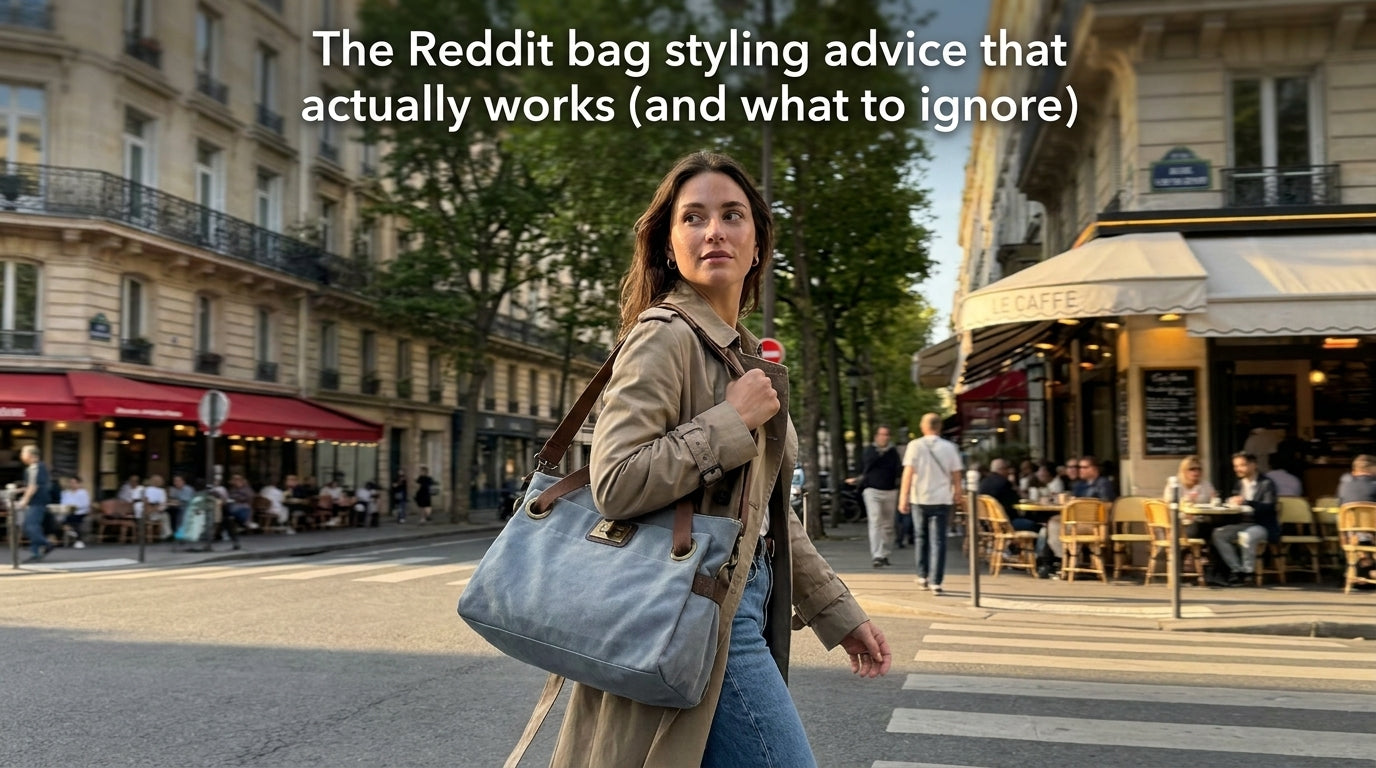
Here's where things get interesting. While most brands like DeMellier stick to pure leather construction, ZEDE took a different approach with their canvas and leather combination. The Parisian brand uses washed cotton canvas with split leather trim — a combination that feels more versatile than traditional leather bags.
The genius is in the material mix. Pure leather bags can feel too formal for casual settings, but the Pont-des-Arts works everywhere from weekend farmers markets to client meetings. The canvas ages beautifully, getting softer with use, while the leather provides structure and durability.
ZEDE offers the Pont-des-Arts in four sizes (XS to Normal) and fifteen colorways including Camel, Noir, and Beige Kaki. The price point sits below DeMellier at around $200-350, making it accessible without feeling cheap.
What sets ZEDE apart is the functional interior — five pockets including two with zippers. Most luxury brands focus on exterior aesthetics and forget you actually need to organize your stuff inside.

A.P.C.: timeless French minimalism
A.P.C. predates the contemporary luxury boom by decades, but their handbag line deserves recognition in this category. The Half-Moon and Mini Half-Moon bags offer that effortless French aesthetic without trying too hard.
The construction is simpler than DeMellier's structured approach — A.P.C. bags are softer, more relaxed. They work beautifully for the off-duty model look but might not hold up as well to daily laptop carrying.
Cuyana: the 'fewer, better' philosophy
Cuyana built their brand on the anti-fast fashion message, encouraging customers to buy fewer, better pieces. Their leather quality rivals DeMellier's, with Argentine leather that develops character over time.
The Classic Structured Leather Tote competes directly with DeMellier's Vancouver, though Cuyana's version feels slightly more casual. The price points are comparable, but Cuyana offers more customization options including monogramming.
Wandler: modernist Dutch design
Wandler brings a distinctly Dutch sensibility to contemporary luxury bags. Their designs feel more experimental than DeMellier's classic approach, with interesting proportions and unexpected details.
The Hortensia and Penelope bags showcase what happens when minimalism meets architectural thinking. The quality is excellent — Italian leather, careful construction — but the aesthetic is more niche than DeMellier's broadly appealing designs.
The bag matchmaker: DeMellier alternatives by style
If you love the DeMellier Vancouver tote, consider the Cuyana Classic Structured Tote or the ZEDE Pont-des-Arts in Normal size. Both offer similar proportions with slightly different material approaches.
For Mini Venice crossbody alternatives, the Polène Numéro Huit or Strathberry East/West deliver comparable functionality with distinct design languages.
The DeMellier Midi London finds its match in the A.P.C. Half-Moon or Wandler Penelope — both offer that structured-but-soft balance that works for day-to-night wear.
Looking for something different entirely? The ZEDE approach of mixing canvas and leather creates versatility that pure leather bags can't match. You can wear it to casual events, nice dinners, work meetings, weekend trips. The material combination just works everywhere.

What to consider before buying
The most common mistake with brands like DeMellier is assuming all "contemporary luxury" means the same thing. Manufacturing location matters — Spanish and Italian production generally delivers better quality than alternatives. Look for brands that specify their leather source and tanning process.
Consider your actual lifestyle, not your aspirational one. If you carry a laptop daily, that gorgeous soft leather bag might not hold up to the weight. If you're constantly throwing your bag in car trunks and under restaurant tables, structured construction with protective feet makes sense.
Color choice impacts longevity more than most people realize. Classic neutrals like black, camel, and Bleu Jean work with more outfits over time. Trendy colors might feel dated in two seasons.
After comparing construction, materials, and real-world usability across these brands like DeMellier, the winners share common traits: they solve actual problems, use quality materials that age well, and design bags that photograph beautifully but also function in daily life. The brands that last understand that Instagram appeal means nothing if the bag doesn't work when you're running to catch a train.