
The best leather bag care tips that actually work (from someone who tests them)
Most leather bag care advice treats every bag like it's made of pure leather. But here's the thing: the best bags today aren't pure leather at all. They're canvas-leather combinations that need completely different care.
After testing dozens of care routines on bags ranging from €50 to €2000, I've learned that the standard "condition monthly" advice can actually damage modern bags. Canvas-leather combinations like the TROCADERO need a smarter approach.
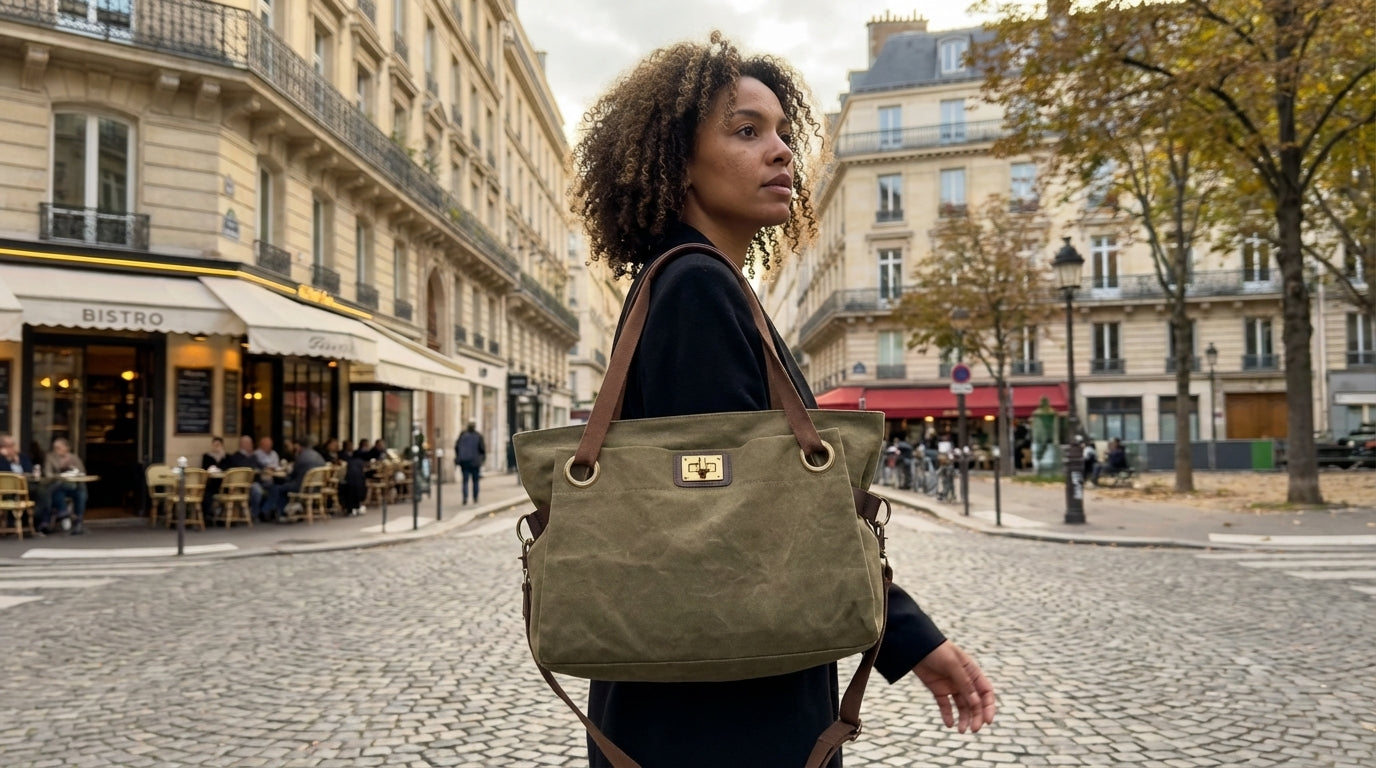
Shop the look: TROCADERO - Olive

Know your materials before you clean anything
The biggest mistake I see is people treating canvas-leather bags like pure leather bags. They slather on leather conditioner everywhere and wonder why their canvas looks greasy.
Canvas-leather bags have two distinct materials. The washed cotton canvas makes up about 90% of most bags. The split leather provides structure at the base, handles, and trim. Each needs different care.
For a broader overview, see The handbag buying guide that actually helps you choose.
Split leather is more forgiving than the delicate stuff you'll find on luxury bags. It's sturdy, practical, designed to age well. Canvas is even more low-maintenance. Together, they create what I call "sports chic" — elegant enough for dinner, casual enough for weekend errands.
Pure leather bags feel too precious sometimes. You won't carry a €800 leather bag to a casual lunch. But canvas-leather? You can wear it nonstop for every occasion.
Daily maintenance that takes 30 seconds
The best leather bag care tips start with what you do every day, not what you do once a month.
Empty your bag completely before storing it. Items left inside create pressure points and distort the shape. I learned this the hard way when my favorite pouch developed a permanent phone-shaped bulge.
Wipe down with a clean, dry microfiber cloth. Focus on the leather trim where oils from your hands accumulate. The canvas can handle more neglect, but the leather benefits from this quick daily attention.
Store bags upright on their base, never hanging by the handles. Hanging stretches the leather and creates stress points where the handles meet the bag body.
Place bags away from direct sunlight and heat sources. Canvas fades, leather cracks. A shelf in your closet works better than a sunny windowsill.

The weekly deep clean for canvas-leather bags
Weekly cleaning prevents the monthly deep-clean drama. Here's what actually works:
Start with the canvas areas. Use a slightly damp cloth with just water. Canvas is cotton — it can handle moisture better than leather. Work in small sections, letting each area dry before moving on.
For stubborn marks on canvas, try a soft-bristled brush (an old toothbrush works). Gentle circular motions lift dirt without damaging the weave.
Switch to the leather trim. Use a leather cleaner specifically designed for split leather. Avoid conditioners at this stage — cleaning and conditioning are separate steps.
Clean the interior with a lint roller first, then a slightly damp cloth. Most canvas-leather bags have cotton lining that responds well to gentle moisture.
Let everything air dry completely before the next step. Rushing this process leads to mildew, especially in humid climates.
When and how to condition (it's not monthly)
The "condition every month" rule comes from pure leather bag care. Canvas-leather combinations need conditioning every 3-4 months, and only on the leather parts.
Test conditioner on an inconspicuous spot first. Some conditioners darken leather permanently.
Apply conditioner only to leather areas using a soft cloth. Work in small amounts — leather should absorb the conditioner, not sit on the surface looking greasy.
Never condition canvas. It's cotton, not leather. Conditioner will create stains and attract dirt.
Let conditioned bags rest for 24 hours before using. The leather needs time to absorb the treatment fully.
Stain removal that won't damage your bag
Canvas and leather stains need different approaches. Here's what works:
For canvas stains, act fast. Blot (don't rub) with a clean cloth. For water-based stains, use a damp cloth. For oil stains, try cornstarch — let it sit overnight to absorb the oil, then brush away.
Leather stains require more caution. For ink, use rubbing alcohol on a cotton swab, dabbing gently. For food stains, try the chalk powder method: crush white chalk, sprinkle on the stain, leave overnight, brush away.
Never use baby wipes on leather, despite what some guides suggest. They contain moisturizers and fragrances that can discolor leather over time.
Water stains on leather need patience. Let the leather dry naturally, then apply conditioner once fully dry. Heat sources make water stains permanent.

Storage that extends bag life by years
Long-term storage makes or breaks bag longevity. Most people get this completely wrong.
Stuff bags lightly with tissue paper to maintain shape. Don't overstuff — you want to support the structure, not stretch it.
Store in breathable dust bags, never plastic. Leather needs air circulation. Plastic traps moisture and creates mold.
Keep stored bags in consistent temperature and humidity. Basements and attics create expansion-contraction cycles that crack leather and weaken canvas.
Check stored bags every few months. Early intervention prevents major problems.
For bags you won't use for over six months, apply a light coat of conditioner to leather parts before storage. This prevents the leather from drying out completely.
What to avoid (common mistakes that ruin bags)
Some care advice sounds logical but damages bags. Here's what to skip:
Don't use hairdryers to speed drying. Heat damages both canvas and leather. Natural air drying takes longer but preserves materials.
Avoid generic "leather cleaners" from discount stores. They're often too harsh for split leather and can strip protective finishes.
Never machine wash canvas-leather bags, even if the canvas seems sturdy. The leather components will be destroyed.
Don't store bags in direct contact with other leather items. Different leather treatments can cause color transfer.
Skip the "natural" remedies like vinegar or lemon juice. They're acidic and can permanently damage both canvas and leather.
When professional help makes sense
Some problems need expert intervention. Don't attempt DIY fixes for:
Deep cuts or tears in leather. Professional repair prevents small problems from becoming big ones.
Mold or mildew. This requires specialized cleaning to prevent health issues and further damage.
Color restoration. Faded or discolored leather needs professional color matching and application.
Structural repairs. Loose stitching or separated components should be handled by someone who understands bag construction.
Hardware issues. Broken zippers, loose snaps, or damaged buckles need proper tools and replacement parts.
The real cost of proper care
Good bag care isn't expensive, but it does require consistency. Here's what you actually need:
A quality leather cleaner: €15-25. One bottle lasts months.
Leather conditioner: €20-30. Use sparingly, so it lasts even longer.
Microfiber cloths: €10 for a pack. Wash and reuse.
Soft-bristled brush: €5. An old toothbrush works fine.
Dust bags: Often included with quality bags, or €5-10 each.
Total investment: under €75. Compare that to replacing a €200+ bag every few years.
The time investment matters more than money. Five minutes daily, 15 minutes weekly, 30 minutes seasonally. That's less than an hour per month to keep your bags looking new for years.
Why canvas-leather beats pure leather for daily use
After testing care routines on dozens of bags, canvas-leather combinations win for practical use. They're more forgiving, age better, and handle daily wear without constant worry.
Pure leather bags demand precious treatment. Canvas-leather bags like the TROCADERO are designed for real life. The canvas handles scratches and scuffs that would devastate pure leather. The leather provides structure and elegance without the high-maintenance drama.
The combination just looks really good. It fits casual events, nice dinners, work, weekend trips. Nobody will question it. It matches everything.
That's the real advantage of modern bag design. Function and style without the stress of babying a pure leather investment piece.